
La corsa all'AI di Nvidia e la carenza di memoria
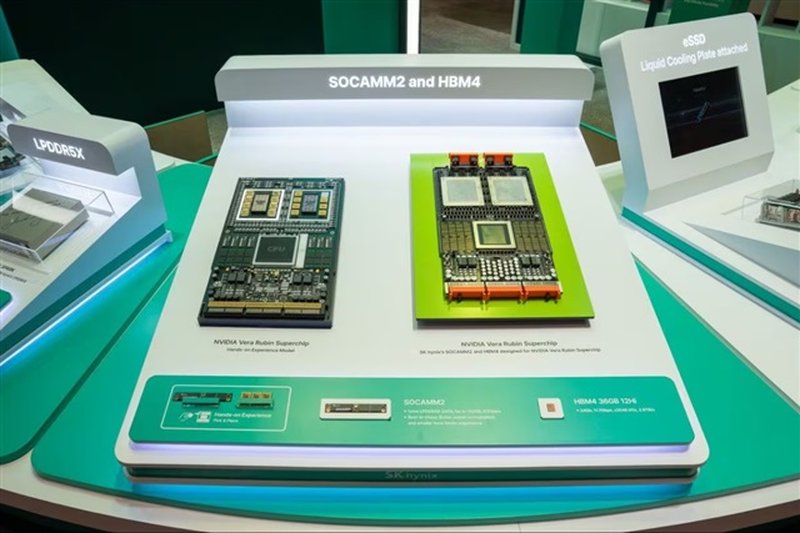
L'accelerazione nell'adozione dell'intelligenza artificiale, in particolare dei Large Language Models (LLM), sta mettendo sotto pressione l'intera catena di approvvigionamento hardware. Al centro di questa dinamica si trova Nvidia, leader indiscusso nel settore delle GPU per l'AI, la cui crescente produzione sta intensificando la domanda di componenti chiave. Secondo recenti analisi di DIGITIMES, questa espansione sta esacerbando una già critica "memory squeeze", ovvero una stretta sulla disponibilità di memoria ad alte prestazioni, essenziale per i carichi di lavoro AI più esigenti.
La conseguenza diretta di questa situazione è che i principali cloud provider stanno attivamente blindando le forniture di queste memorie, assicurandosi contratti a lungo termine che si estendono fino al 2028. Questo scenario crea un ambiente complesso per le aziende che cercano di implementare soluzioni AI, specialmente quelle che considerano un deployment on-premise per ragioni di sovranità dei dati, controllo o ottimizzazione del Total Cost of Ownership (TCO).
L'impatto sulla disponibilità hardware per l'on-premise
La memoria ad alta larghezza di banda (HBM) è un componente cruciale per le GPU di fascia alta utilizzate nell'addestramento e nell'inference di LLM. Modelli sempre più grandi e complessi richiedono quantità ingenti di VRAM e un throughput elevato per operare in modo efficiente. La "memory squeeze" significa che l'accesso a queste risorse diventa più difficile e costoso per chi non ha la capacità di stipulare accordi di fornitura pluriennali con i produttori.
Per le organizzazioni che mirano a costruire o espandere la propria infrastruttura AI self-hosted, questa situazione si traduce in tempi di attesa più lunghi per l'hardware, costi potenzialmente più elevati e una maggiore incertezza nella pianificazione. La capacità di scalare un deployment on-premise o di avviare nuovi progetti può essere seriamente compromessa dalla scarsità di GPU e della relativa memoria, spingendo alcune realtà a riconsiderare le proprie strategie di adozione dell'AI.
Trade-off tra cloud e self-hosted nell'era della scarsità
La tendenza dei cloud provider a monopolizzare le forniture di memoria e GPU di ultima generazione accentua il divario tra le opzioni di deployment. Se da un lato l'accesso al cloud offre flessibilità e scalabilità immediata, dall'altro comporta costi operativi (OpEx) che possono crescere rapidamente e solleva questioni legate alla sovranità dei dati e alla compliance. Un deployment on-premise, pur richiedendo un investimento iniziale (CapEx) più consistente, offre un controllo totale sull'infrastruttura e sui dati, oltre a un potenziale TCO inferiore nel lungo periodo per carichi di lavoro stabili e prevedibili.
Tuttavia, la difficoltà di procurarsi l'hardware necessario rende la decisione ancora più complessa. Le aziende devono valutare attentamente i trade-off tra la disponibilità immediata e la gestione dei costi nel lungo termine, considerando anche i rischi legati alla dipendenza da fornitori esterni per l'hardware critico. Per chi valuta deployment on-premise, esistono framework analitici su AI-RADAR, come quelli disponibili su /llm-onpremise, che possono aiutare a definire questi trade-off in modo strutturato.
Prospettive future e strategie di mitigazione
La stretta sulla memoria e la blindatura delle forniture fino al 2028 suggeriscono che la pressione sull'hardware AI non diminuirà nel breve termine. Le aziende dovranno adottare strategie proattive per mitigare questi rischi. Ciò potrebbe includere la diversificazione dei fornitori, l'esplorazione di soluzioni hardware alternative o l'ottimizzazione dei modelli esistenti tramite tecniche come la Quantization per ridurre i requisiti di memoria.
In un panorama in cui l'accesso all'hardware diventa un fattore critico di successo, la pianificazione strategica dell'infrastruttura AI assume un'importanza senza precedenti. La capacità di anticipare le tendenze del mercato e di adattare le proprie strategie di deployment sarà fondamentale per mantenere un vantaggio competitivo e garantire la continuità operativa dei propri progetti di intelligenza artificiale.







💬 Commenti (0)
🔒 Accedi o registrati per commentare gli articoli.
Nessun commento ancora. Sii il primo a commentare!