The Escalation of AI Hardware Costs
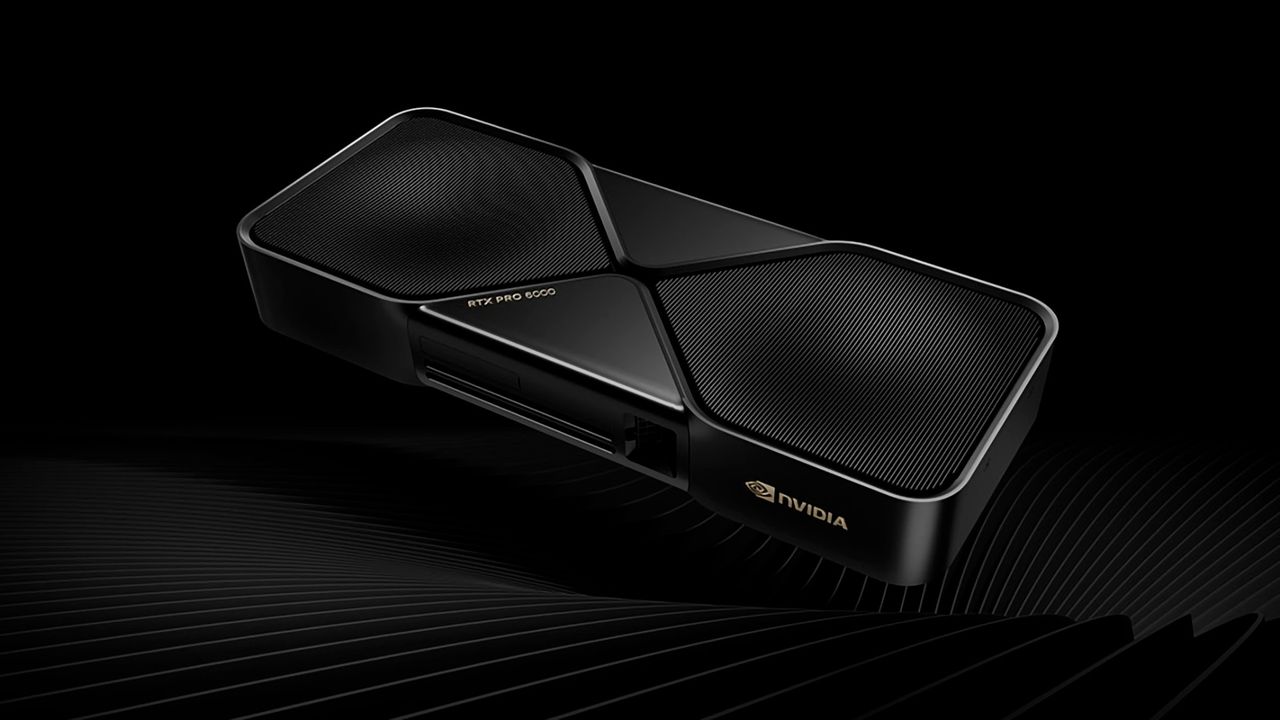
The market for GPUs dedicated to artificial intelligence continues to show significant price volatility. Nvidia, a dominant player in this segment, recently increased the cost of its RTX Pro 6000 Blackwell GPU, raising it to $13,250. This represents a remarkable 55% increase over its original Manufacturer's Suggested Retail Price (MSRP), recorded within just one year. This trend highlights the supply and demand pressures characterizing the sector, with direct repercussions on companies' investment strategies.
For organizations aiming to build or expand their AI capabilities, particularly for Large Language Models workloads, the trend in GPU prices is a critical factor. The rising cost of core hardware can drastically alter initial budgets and expansion plans, pushing decision-makers to reconsider their approach to deploying AI infrastructures.
Implications for On-Premise Deployments and TCO
The Nvidia RTX Pro 6000 Blackwell GPU, like other high-end cards, is designed to support intensive AI model training and inference workloads. In an on-premise deployment context, the purchase of these units represents a significant component of the overall Total Cost of Ownership (TCO). A 55% increase in the price of a single GPU within a year has a direct and substantial impact on initial CapEx, making the construction of a self-hosted AI infrastructure more expensive.
This scenario forces companies to carefully evaluate the trade-offs between initial investment in proprietary hardware and the operational costs associated with cloud services. While on-premise deployment offers advantages in terms of data sovereignty, control, and potential long-term optimization, the escalation of GPU prices can erode some of these benefits, requiring even more rigorous financial planning and accurate return on investment estimates. The choice between purchasing hardware and leasing cloud resources thus becomes a complex strategic decision, influenced by market fluctuations.
Market Dynamics and Acquisition Strategies
The increase in prices for professional-grade GPUs reflects persistent demand and production capacity struggling to keep pace with AI innovation and adoption. This market dynamic is not isolated but is part of a broader trend that sees AI hardware as an increasingly valuable and, consequently, expensive resource. Companies must therefore adopt more agile and forward-thinking acquisition strategies, considering the impact of price fluctuations on their medium and long-term plans.
For CTOs, DevOps leads, and infrastructure architects, it is crucial to constantly monitor the market and evaluate alternatives. This may include exploring older but still performant hardware solutions, optimizing software to reduce hardware requirements, or diversifying suppliers. The ability to adapt to these market conditions is critical for maintaining competitiveness and ensuring that AI projects can progress without interruptions due to unexpected budget constraints.
Outlook for Tech Decision-Makers
The price increase of the Nvidia RTX Pro 6000 Blackwell underscores the importance of a holistic approach to AI infrastructure planning. For those evaluating on-premise deployments, the decision involves not only the technical specifications of GPUs but also their availability and cost over time. Data sovereignty and control over the execution environment remain absolute priorities for many organizations, especially in regulated sectors or those with stringent security requirements.
In this context, analytical tools and frameworks, such as those offered by AI-RADAR on /llm-onpremise, become essential for evaluating the trade-offs between initial and operational costs, performance, and compliance requirements. The ability to anticipate and mitigate the impact of price increases on AI infrastructure is a distinguishing factor for project success, ensuring that technological choices align with the company's strategic and financial objectives.





💬 Comments (0)
🔒 Log in or register to comment on articles.
No comments yet. Be the first to comment!