Un'innovazione nel campo dei display 3D
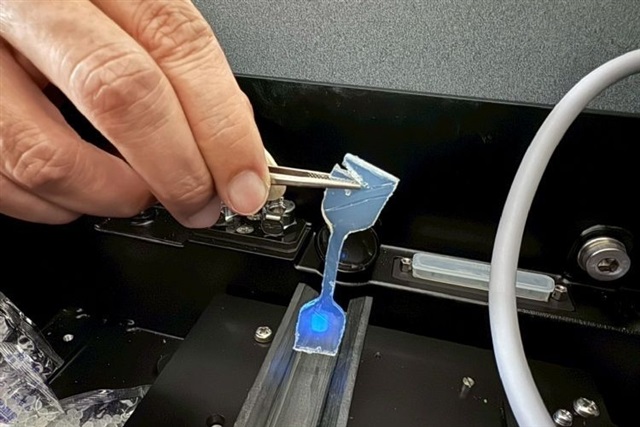
L'Università Nazionale Yang Ming Chiao Tung di Taiwan ha recentemente presentato una scoperta che potrebbe ridefinire il futuro della visualizzazione tridimensionale. I ricercatori dell'ateneo hanno sviluppato un materiale a luce blu caratterizzato dalla sua natura non tossica, un aspetto cruciale per applicazioni di largo consumo e professionali. Questa innovazione si propone come un elemento chiave per la realizzazione di display 3D che eliminano la necessità di indossare occhiali speciali, un ostacolo significativo all'adozione diffusa delle tecnicie tridimensionali.
La ricerca si concentra sulla creazione di un'esperienza visiva più naturale e immersiva. Attualmente, la maggior parte delle soluzioni 3D richiede dispositivi esterni, limitando la spontaneità e il comfort dell'utente. L'introduzione di un materiale intrinsecamente capace di generare immagini tridimensionali senza ausili esterni rappresenta un salto qualitativo, promettendo di rendere la tecnicia 3D più accessibile e integrata nella vita quotidiana e negli ambienti professionali.
Dettagli Tecnici e Potenziale Impatto
Il cuore di questa innovazione risiede nella composizione del materiale stesso, progettato per emettere luce blu in modo controllato e sicuro. La non tossicità è un requisito fondamentale, soprattutto considerando la crescente attenzione alla sostenibilità e alla sicurezza dei componenti elettronici. Materiali di questo tipo sono essenziali per superare le barriere normative e di accettazione del mercato, aprendo la strada a una produzione su larga scala.
La capacità di generare display 3D senza occhiali si basa su principi ottici avanzati, che permettono di proiettare immagini diverse a ciascun occhio dell'osservatore, creando l'illusione della profondità. L'efficienza e la precisione con cui questo nuovo materiale può manipolare la luce blu sono fattori determinanti per la qualità e la fedeltà dell'esperienza 3D risultante. Questo progresso potrebbe trovare applicazione in settori che vanno dall'intrattenimento alla medicina, dall'ingegneria alla formazione.
Implicazioni per l'Ecosistema Tecnologico e l'AI
Sebbene la scoperta riguardi direttamente i materiali per display, le sue implicazioni si estendono all'intero ecosistema tecnicico, in particolare per chi gestisce infrastrutture complesse. L'avvento di display 3D senza occhiali, capaci di offrire un'esperienza visiva immersiva, aumenterà la domanda di capacità computazionale per la generazione e il rendering di contenuti tridimensionali in tempo reale. Questo scenario è particolarmente rilevante per le aziende che sviluppano e utilizzano applicazioni di visualizzazione dati avanzata, simulazioni complesse o interfacce utente innovative.
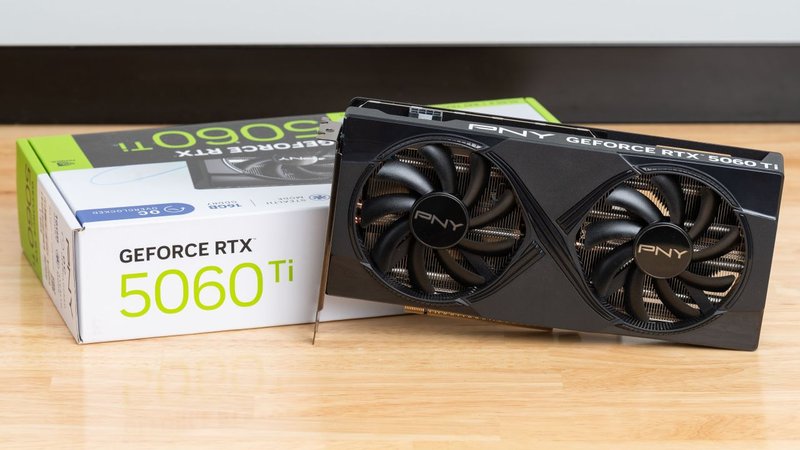
Per i CTO e gli architetti di infrastruttura, la gestione di carichi di lavoro che richiedono rendering 3D ad alta fedeltà e in tempo reale implica la necessità di hardware robusto. GPU con elevata VRAM, sistemi di storage a bassa latenza e reti ad alta throughput diventano cruciali. La decisione tra deployment on-premise e soluzioni cloud per questi carichi di lavoro si baserà su un'attenta analisi del TCO, della sovranità dei dati e dei requisiti di performance. Un'infrastruttura on-premise, ad esempio, può offrire un controllo maggiore sulla latenza e sulla sicurezza dei dati, aspetti fondamentali per applicazioni critiche che sfruttano display avanzati.
Prospettive Future e Considerazioni Strategiche
La ricerca sui materiali per display 3D senza occhiali è un esempio di come l'innovazione a livello di componenti possa avere ripercussioni a cascata sull'intera architettura IT. Man mano che queste tecnicie maturano, la capacità di visualizzare dati complessi in tre dimensioni senza barriere aggiuntive aprirà nuove opportunità per l'interazione uomo-macchina, specialmente in contesti dove la comprensione spaziale è critica, come la progettazione assistita da computer (CAD), la chirurgia robotica o la modellazione scientifica.
Per le organizzazioni che guardano al futuro, è essenziale considerare come queste evoluzioni nei display influenzeranno i requisiti della loro infrastruttura AI e di calcolo. La pianificazione strategica dovrà includere la valutazione di soluzioni hardware capaci di sostenere non solo l'inference e il training di Large Language Models, ma anche il rendering e la gestione di esperienze visive sempre più sofisticate. AI-RADAR offre framework analitici su /llm-onpremise per valutare i trade-off tra diverse strategie di deployment, aiutando le aziende a prendere decisioni informate in un panorama tecnicico in rapida evoluzione.




💬 Commenti (0)
🔒 Accedi o registrati per commentare gli articoli.
Nessun commento ancora. Sii il primo a commentare!