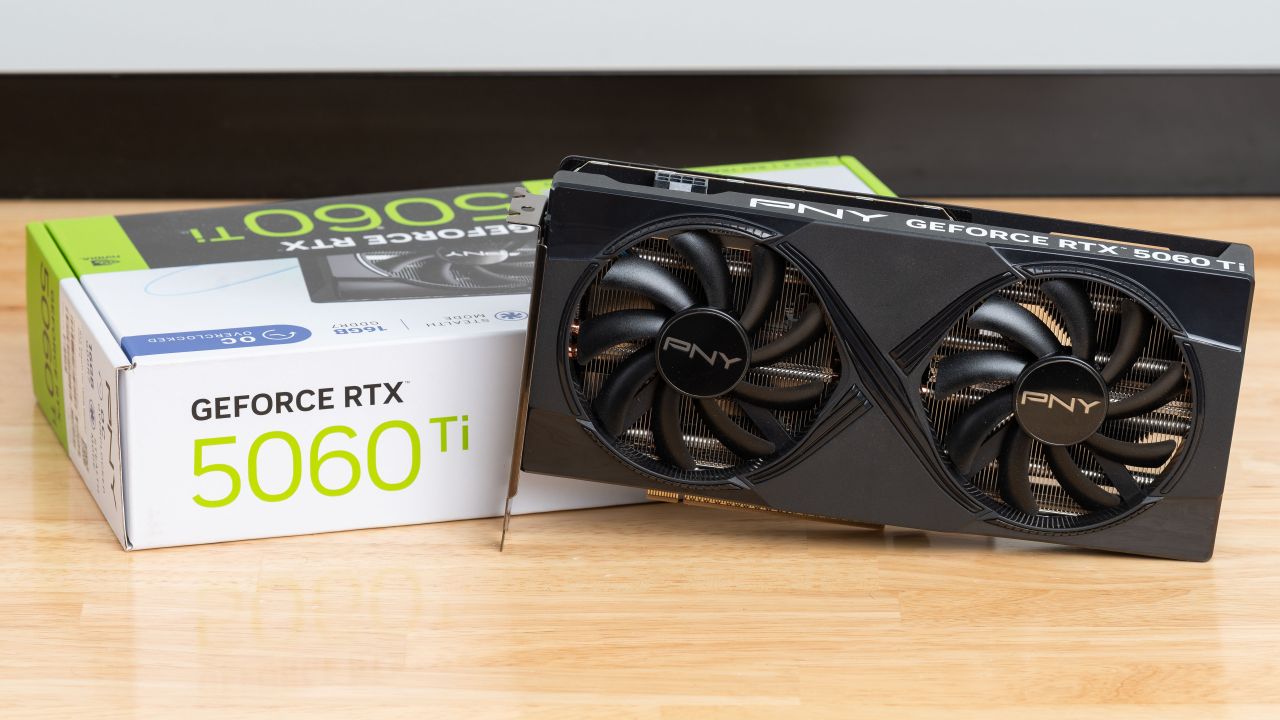
The signal comes from South Korea, but the repercussions are global. Nvidia’s new RTX 5090 — built on the Blackwell architecture and expected to be a workhorse for self-hosted AI servers and workstations — are listed at over $5,100, with markups reaching 30% for some models compared to the previous generation.
The mix of rising TSMC wafer costs and GDDR7 memory modules priced around $20 each is reshaping the sticker shock for what many consider the go-to hardware for local LLM Inference. It’s not just a gamer’s headache: the community that experiments with Fine-tuning and serving open-source models on consumer GPUs sees the economic sustainability of its stack put to the test.
For those managing on-premise deployments, TCO has never been a footnote. A compute node based on an RTX 5090 that might have cost under $4,000 now demands a significantly higher investment, and the gap widens when building farms with four or eight cards. The immediate effect is greater pressure toward aggressive Quantization and model compression techniques, because reducing the VRAM footprint becomes even more critical as every gigabyte of graphics memory gets more expensive.
There’s a less obvious second-order effect. Enterprises that had moved Inference in-house for data sovereignty reasons — GDPR compliance, healthcare data, defense contracts — may now recalculate. The shift back to the cloud, where hardware cost is shared, turns appealing again but clashes with legal constraints. The result is a fault line pushing on one side toward regional AI-specialist cloud providers, and on the other toward refurbished hardware like RTX A6000 or older V100 cards, whose prices remain steadier on the secondary market.
Asian memory manufacturers and TSMC competitors like Samsung or Intel Foundry could seize a window to offer cheaper alternatives, but qualification cycles in the AI sector are slow. In the short term, Nvidia remains the sole gatekeeper, and the Korean pricing signal suggests that Moore’s law, when applied to cost per token, is far from guaranteed.
Nobody expected LLM hardware to become cheap commodity, but the list price increase — if confirmed globally — changes the game for independent labs and startups betting on local fine-tuning. The question is whether the community will accelerate toward smaller, distilled models or consolidate around a few players with the resources to afford the new gear. Either way, the cost of digital sovereignty is going up, and that’s not good news for those handling sensitive data.







💬 Comments (0)
🔒 Log in or register to comment on articles.
No comments yet. Be the first to comment!