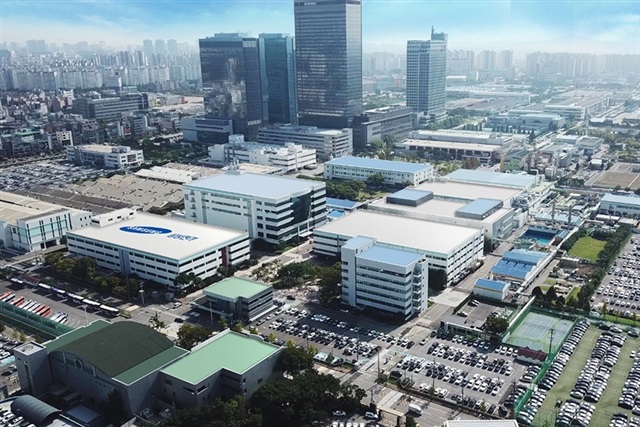
Samsung Electro-Mechanics Targets AI Servers: Focus on MLCCs and Substrates
Samsung Electro-Mechanics (SEM) is redefining its strategy to capitalize on the growing demand in the artificial intelligence server sector. The company has announced its intention to strengthen its market position through a targeted focus on critical components such as Multi-Layer Ceramic Capacitors (MLCCs) and advanced substrate technologies. This move underscores the importance of fundamental components in supporting the expansion of AI infrastructure, particularly those intended for intensive workloads like Large Language Models.
The Essential Role of MLCCs and Substrates in AI
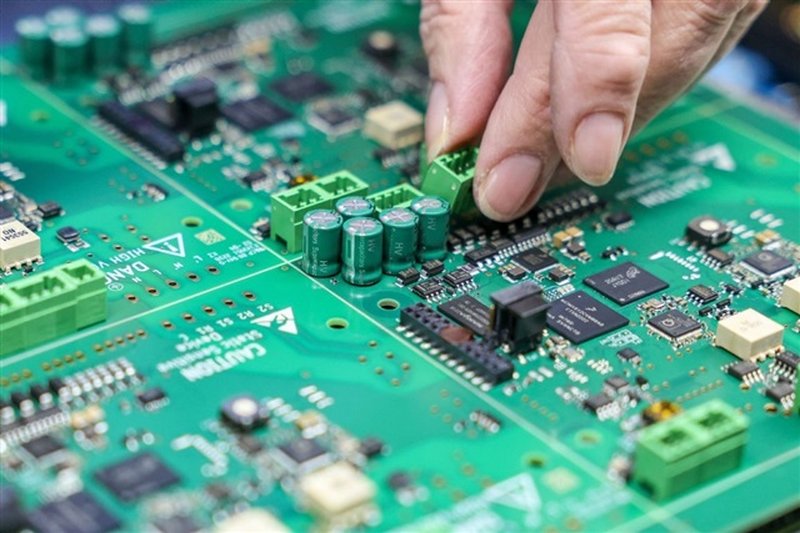
AI servers, especially those equipped with high-performance GPUs for LLM training and Inference, require extremely stable power delivery and efficient thermal management. MLCCs are multi-layer ceramic capacitors that play a fundamental role in voltage stabilization and electrical noise suppression, ensuring that processors receive clean, constant power. This is crucial for preventing malfunctions and ensuring optimal performance, especially when chips operate at high frequencies and with significant power consumption.
In parallel, substrates are the foundation upon which chips and their auxiliary components are mounted, acting as an interconnection between the processor and the rest of the system. Their design directly influences signal integrity, heat dissipation, and integration density. With the increasing complexity and power of AI processors, a substrate's ability to handle high-speed signals and effectively dissipate heat becomes a limiting factor for the overall server performance.
Implications for On-Premise Deployments
For organizations evaluating or implementing on-premise AI solutions, the quality and reliability of these fundamental components are of paramount importance. A self-hosted infrastructure for LLMs and other AI workloads requires not only powerful GPUs but also a robust ecosystem of components that ensure continuous and predictable operation. The stability provided by high-quality MLCCs and the thermal efficiency of substrates directly translate into greater system resilience, reducing downtime and maintenance costs—key elements in calculating the Total Cost of Ownership (TCO) for a local deployment.
Data sovereignty and the need for air-gapped environments often necessitate complete control over hardware. In this context, choosing reliable components upstream in the supply chain becomes a critical factor for the longevity and operational efficiency of the entire AI infrastructure. Companies investing in on-premise AI servers seek solutions that minimize risks and maximize long-term return on investment, and component quality is a cornerstone of this strategy.
The Supply Chain and the Future of AI
Samsung Electro-Mechanics' move reflects a broader trend in the industry: component manufacturers are intensifying efforts to support the explosion in demand for AI hardware. This competition and innovation in the supply chain are essential for enabling the next generation of AI systems, whether they are deployed in the cloud or in on-premise environments. For technical decision-makers, understanding the importance of these components means being able to make more informed choices regarding hardware architecture, balancing performance, reliability, and costs in a rapidly evolving technological landscape.





💬 Comments (0)
🔒 Log in or register to comment on articles.
No comments yet. Be the first to comment!