
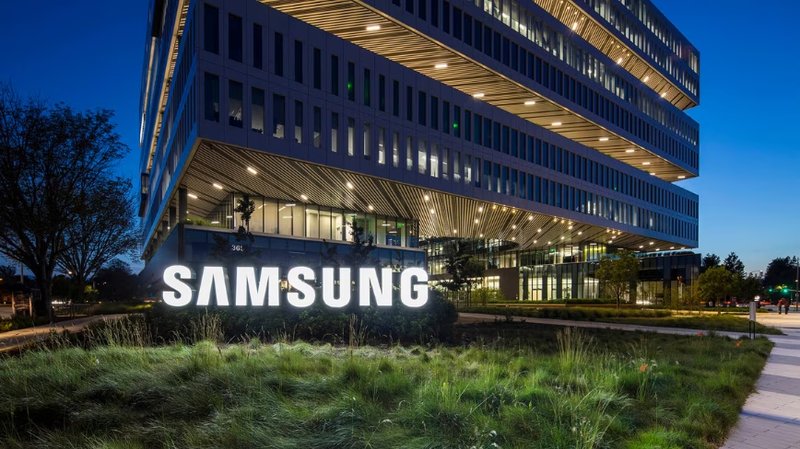
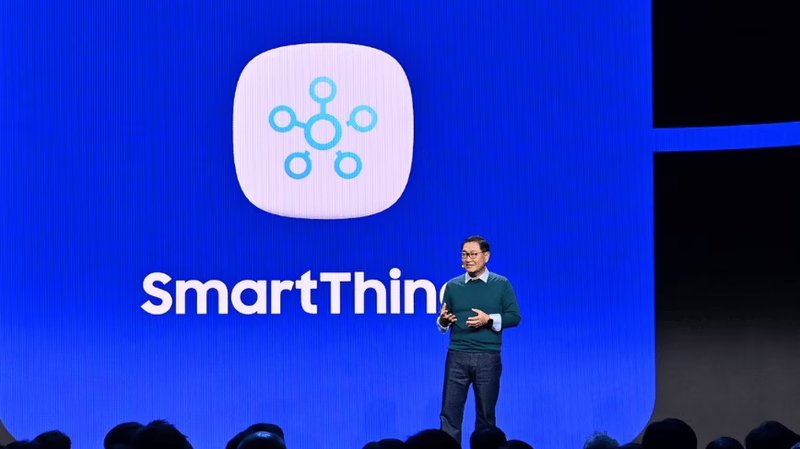
A strong signal on technological supply for the coming years has come from South Korea. Samsung Group has put a number on its domestic manufacturing commitment: 140 trillion won, or about $90 billion, spread over a decade. The announcement was made official on Thursday by Samsung Display CEO Yi Chung at an event in Asan attended by the South Korean president. The investment will primarily target the central Chungcheong provinces, already a powerhouse of the country’s industrial production.
The funds will flow into four main areas: displays, memory chips, batteries, and semiconductor packaging materials. This choice mirrors the priorities of global demand, where the convergence of artificial intelligence, electric mobility, and data centers is multiplying the hunger for advanced components. Samsung is no stranger to bets of this magnitude, but the geographic concentration and the ten-year duration signal a desire to build an integrated manufacturing ecosystem, minimizing external dependencies and tightening quality control.
For AI-RADAR readers, the most intriguing aspect is the potential impact on hardware for inference and training of Large Language Models. Samsung is a major player in the production of high-bandwidth memory (HBM), a component now indispensable for GPUs and AI accelerators. The race between Samsung and SK Hynix to meet the demand from Nvidia, AMD, and server manufacturers is precisely about scaling volumes and lowering costs. A production expansion on this scale could lead, in the medium term, to a more stable supply chain and a lower Total Cost of Ownership for those setting up on-premise infrastructure.
But it’s not just about chips. The investment in advanced packaging — the set of techniques for interconnecting different chips into a single module — has direct repercussions on system efficiency. Chiplet architectures require sophisticated substrates and packaging solutions to handle thermal densities and signals, factors that influence the sizing of AI workloads in local data centers. The display sector, seemingly distant from the LLM world, also comes into play when we consider model monitoring interfaces or dedicated developer workstations.
The Chungcheong plan is part of a broader South Korean strategy to defend its technological leadership amid Chinese and Taiwanese competition. Government incentives and the president’s presence at the Asan event underscore its systemic value. For those evaluating on-premise deployment of language models, it’s a useful reminder: the availability and pricing of hardware components depend on industrial policy decisions made thousands of kilometers away. Keeping an eye on such moves helps plan investments with greater awareness.





💬 Comments (0)
🔒 Log in or register to comment on articles.
No comments yet. Be the first to comment!