The Evolution of CPU Benchmarks
After nearly a decade of anticipation, the SPEC consortium has finally released its new CPU benchmark suite, SPEC CPU 2026. This update represents a significant moment for the technology industry, as SPEC benchmarks have long been considered a reference standard for evaluating processor performance. The introduction of a new version, after such a prolonged period, underscores the need for measurement tools that reflect modern computational architectures and workloads.
The SPEC CPU 2026 suite is designed to offer an updated perspective on the capabilities of current and future processors. Its predecessor, SPEC CPU 2017, served the industry for a long time, but the rapid evolution of the hardware and software landscape made a refresh indispensable. This new version promises to provide more relevant metrics for today's computational needs, ranging from complex data processing to artificial intelligence.
Technical Details and Industry Impact
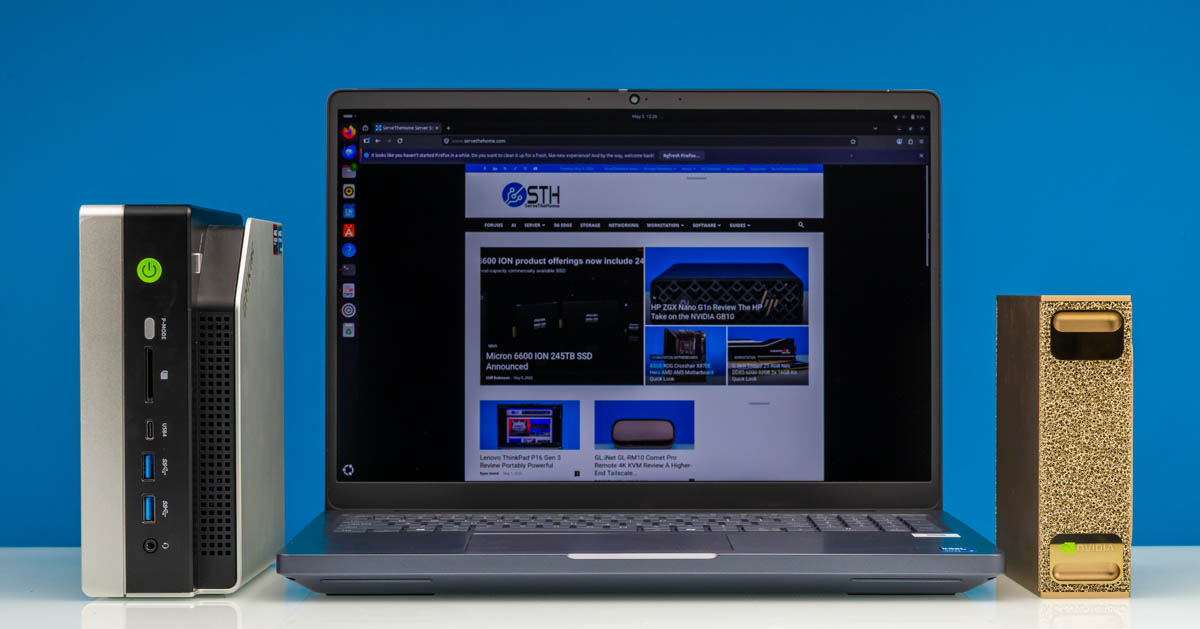
SPEC benchmarks are known for their ability to simulate a wide range of real-world workloads, providing a detailed analysis of a CPU's performance in various scenarios. SPEC CPU 2026 aims to continue this tradition by introducing tests that better reflect contemporary applications and programming methodologies. The suite will evaluate performance across a trio of modern CPUs from AMD, Intel, and NVIDIA, offering a direct comparison between the main market players.
This comparative evaluation is fundamental for IT professionals and infrastructure architects. Understanding how different processors perform under stress is crucial for making informed decisions about hardware procurement and deployment. The results of SPEC CPU 2026 will help identify the strengths and weaknesses of various CPU architectures, influencing design choices for servers, workstations, and embedded systems.
Implications for On-Premise Deployments
For organizations prioritizing on-premise deployments, the availability of an updated CPU benchmark like SPEC CPU 2026 is of vital importance. Selecting the right hardware for a self-hosted infrastructure requires a deep understanding of component performance and efficiency. SPEC benchmarks offer objective data that can guide decisions related to Total Cost of Ownership (TCO), scalability, and the ability to handle specific workloads, including those related to Large Language Models (LLM) and AI Inference.
The ability to accurately evaluate CPUs is particularly relevant in contexts where data sovereignty, compliance, and security in air-gapped environments are paramount. A well-designed on-premise infrastructure, based on hardware whose performance has been validated by reliable benchmarks, can ensure that computational resources are aligned with business needs, avoiding waste or bottlenecks. For those evaluating on-premise deployments, AI-RADAR offers analytical frameworks on /llm-onpremise to assess trade-offs between performance, costs, and control.
Future Prospects and Strategic Choices
The release of SPEC CPU 2026 marks the beginning of a new era for CPU benchmarking, providing developers, hardware vendors, and enterprise buyers with an essential tool for long-term planning. The accuracy and relevance of these benchmarks will be crucial in driving innovation and strategic choices over the next decade. Companies can use this data to optimize their development pipelines and ensure their infrastructures are ready to meet future computational challenges.
In a constantly evolving market, where energy efficiency and processing capacity are increasingly critical, a robust benchmark like SPEC CPU 2026 becomes a cornerstone for informed investment decisions. Its adoption will help standardize performance evaluation, promoting greater transparency and enabling fairer comparisons between the various hardware solutions available.




💬 Comments (0)
🔒 Log in or register to comment on articles.
No comments yet. Be the first to comment!