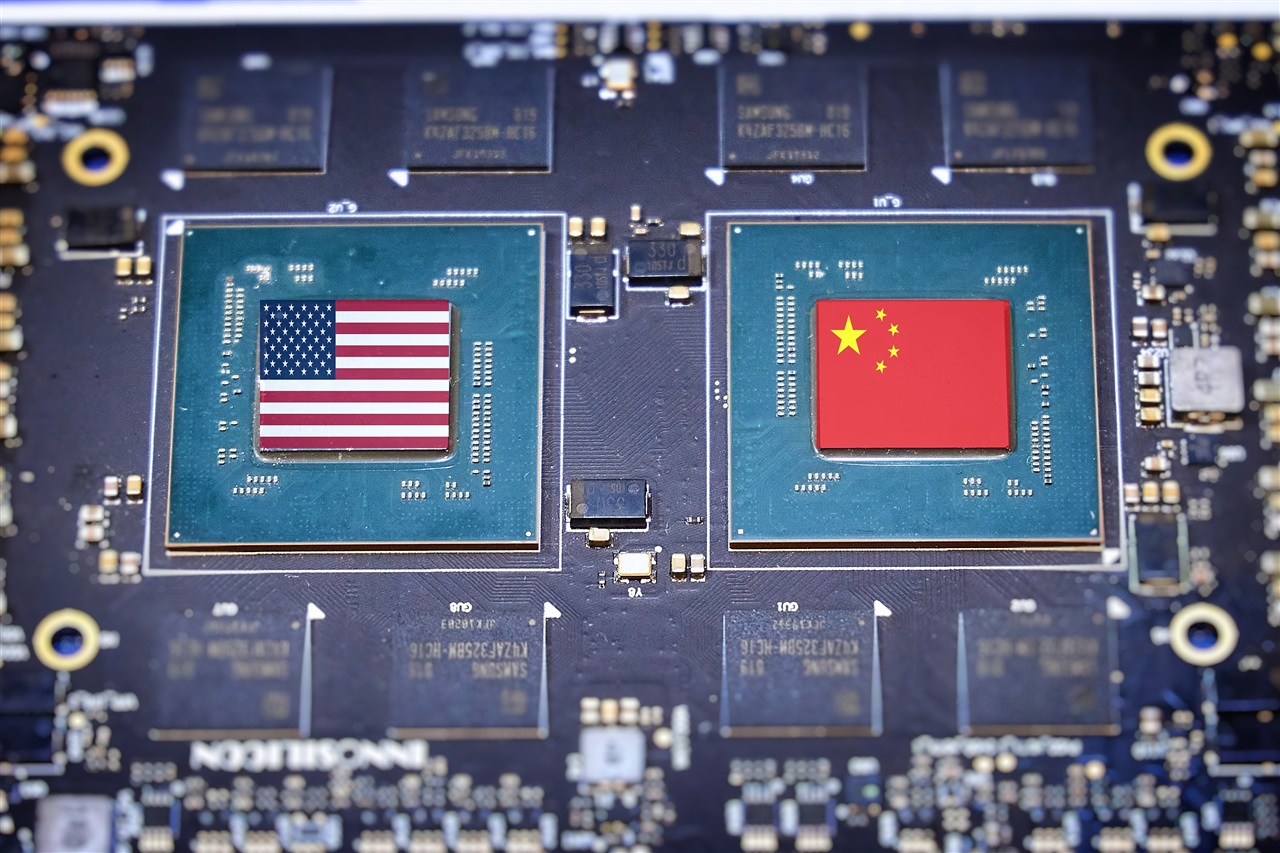
Taiwan e il nodo dei chip AI: nuove restrizioni all'orizzonte
Secondo recenti indiscrezioni riportate da DIGITIMES, Taiwan starebbe valutando l'introduzione di misure più stringenti per il controllo delle esportazioni di chip dedicati all'intelligenza artificiale. Questa potenziale revisione delle politiche commerciali emerge in un contesto di crescenti pressioni da parte dei legislatori statunitensi, i quali sollecitano un inasprimento dei controlli sulle tecnicie avanzate destinate a entità cinesi. La mossa, se confermata, segnerebbe un'ulteriore tappa nella complessa dinamica geopolitica che vede le tecnicie AI al centro di strategie nazionali e internazionali.
La posta in gioco è elevata. Taiwan, con la sua industria dei semiconduttori all'avanguardia, detiene una posizione cruciale nella produzione di componenti essenziali per lo sviluppo e il deployment di Large Language Models (LLM) e altre applicazioni di intelligenza artificiale. Qualsiasi modifica alle sue politiche di esportazione potrebbe riverberarsi sull'intera catena di approvvigionamento globale, influenzando la disponibilità e il costo dell'hardware necessario per l'innovazione tecnicica in numerosi settori.
L'impatto sulla catena di approvvigionamento e i deployment on-premise
I chip AI, in particolare le GPU ad alte prestazioni con elevata VRAM, sono il cuore pulsante delle infrastrutture dedicate all'AI, sia per il training che per l'inference di modelli complessi. La loro disponibilità è un fattore determinante per le aziende che valutano strategie di deployment on-premise o ibride, dove il controllo diretto sull'hardware e la sovranità dei dati sono prioritari. Restrizioni all'export potrebbero limitare l'accesso a queste risorse, aumentando i tempi di attesa e i costi di acquisizione.
Per CTO, DevOps lead e architetti di infrastrutture, la pianificazione di deployment AI locali richiede una valutazione attenta del Total Cost of Ownership (TCO), che include il costo dell'hardware, dell'energia e della manutenzione. Una minore disponibilità di chip AI sul mercato, o un aumento dei prezzi dovuto a restrizioni, potrebbe alterare significativamente questi calcoli, rendendo più complessa la scelta tra soluzioni self-hosted e servizi cloud. La capacità di sostenere carichi di lavoro intensivi, come il fine-tuning di LLM o l'inference a bassa latenza, dipende direttamente dalla possibilità di accedere a silicio di ultima generazione.
Geopolitica e controllo tecnicico: un equilibrio delicato
La decisione di Taiwan si inserisce in un framework geopolitico più ampio, dove la competizione tecnicica tra Stati Uniti e Cina è sempre più accesa. Gli Stati Uniti hanno già imposto restrizioni significative sull'esportazione di chip avanzati e attrezzature per la loro produzione verso la Cina, citando preoccupazioni per la sicurezza nazionale e l'uso militare delle tecnicie AI. Taiwan, pur mantenendo una posizione di neutralità, si trova a dover bilanciare i propri interessi economici con le pressioni dei suoi alleati strategici.
Il controllo sull'accesso a tecnicie chiave come i chip AI non è solo una questione economica, ma un elemento fondamentale per la sicurezza e l'influenza globale. Le aziende che operano in settori regolamentati o che gestiscono dati sensibili, come le istituzioni finanziarie o le organizzazioni governative, sono particolarmente attente alla provenienza e alla disponibilità dell'hardware. La resilienza della supply chain diventa un fattore critico nella scelta delle architetture di deployment, spingendo verso soluzioni che garantiscano maggiore controllo e prevedibilità.
Prospettive future per l'infrastruttura AI
L'evoluzione delle politiche di export dei chip AI impone alle aziende una riflessione strategica sulle proprie infrastrutture. La diversificazione dei fornitori e la valutazione di architetture hardware alternative, inclusi approcci che ottimizzano l'uso delle risorse esistenti tramite tecniche come la quantization, potrebbero diventare ancora più rilevanti. La capacità di adattarsi a un mercato in continua evoluzione, influenzato da fattori geopolitici, sarà cruciale per mantenere un vantaggio competitivo.
Per chi valuta deployment on-premise di LLM, è fondamentale analizzare attentamente i trade-off tra performance, costo e disponibilità dell'hardware. Piattaforme come AI-RADAR offrono framework analitici per supportare queste decisioni, fornendo strumenti per valutare l'impatto di vincoli come la disponibilità di VRAM o il throughput richiesto. La capacità di anticipare e mitigare i rischi legati alla supply chain dei chip AI sarà un elemento distintivo per le organizzazioni che mirano a costruire infrastrutture AI robuste e a prova di futuro.





💬 Commenti (0)
🔒 Accedi o registrati per commentare gli articoli.
Nessun commento ancora. Sii il primo a commentare!