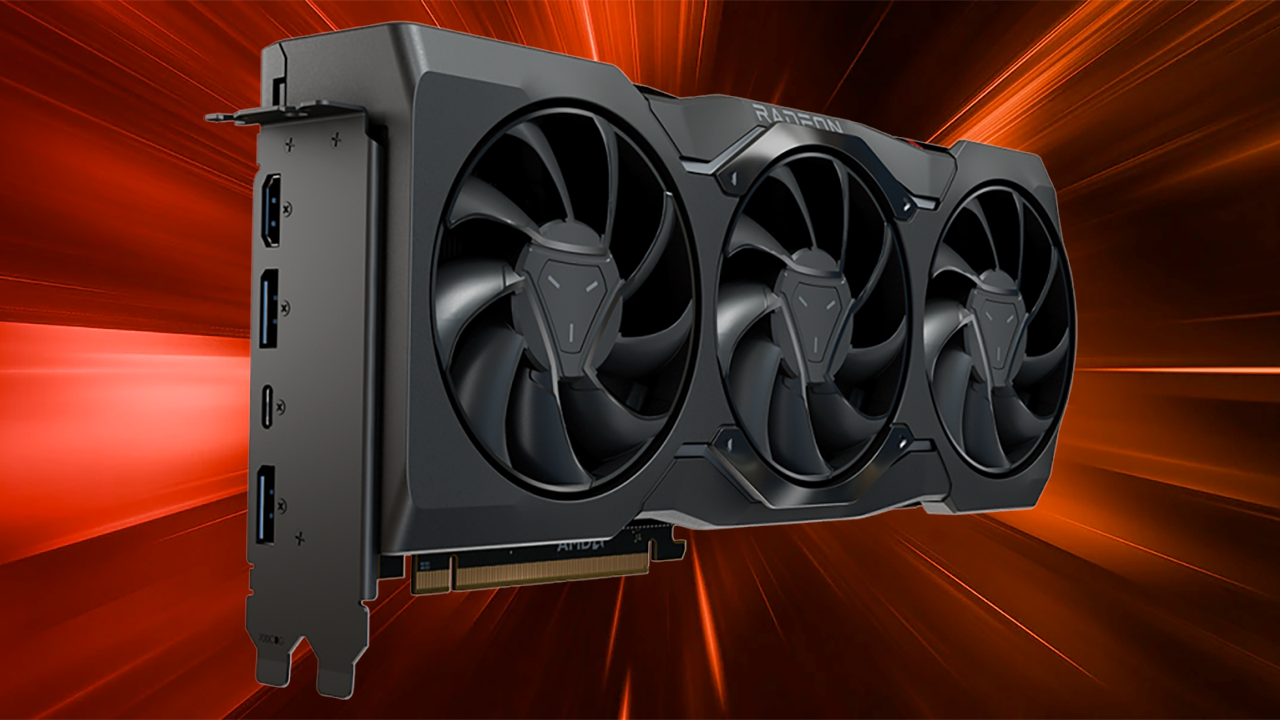
AMD has started adding GDDR7 support to its Linux GPU drivers. It is not an announcement of upcoming cards and there are no dates yet, but it is a move worth reading closely for anyone operating open source GPU infrastructure: before the boards arrive, the software work begins to recognize and manage the new memory reliably.
The less visible but most concrete part concerns how LLM inference workloads depend on memory bandwidth. During token generation, the graphics processor must continuously move weights and caches between VRAM and compute units. When bandwidth cannot keep up, compute capacity remains partially unused and perceived latency increases. GDDR7 promises higher bandwidth than previous generations, and even though the headline contains no figures, that is precisely where much of the value lies for teams running GPUs locally.
From a deployment standpoint, the fact that AMD is working on Linux drivers carries real weight. A large share of self-hosted inference machines, from bare metal servers to nodes with repurposed consumer GPUs, runs Linux. Early support in the open source driver reduces friction for integrating new hardware into existing pipelines, without waiting for closed binaries or vendor stacks. It does not mean GDDR7 cards will be on shelves tomorrow, but the bring-up work has begun on the side that historically requires weeks or months of stabilization.
There is also a structural signal: when a silicon vendor starts preparing the driver for a new memory generation, the Linux ecosystem tends to see it earlier than the proprietary driver world. For teams planning hardware for on-premise training or inference, this changes the pace at which they can evaluate future components and model TCO. Driver availability in the kernel or open modules does not eliminate compatibility risks, but it shifts control toward infrastructure operators.
Those likely to benefit most are labs and companies that standardize on Linux for control and data sovereignty reasons. An open, updated driver reduces dependence on proprietary tooling and makes it easier to keep uniform system images across multiple hardware generations. Those less advantaged, at least during the transition, are cloud-only environments that prefer not to manage custom kernels and drivers; for them the novelty will arrive only when cloud providers decide to expose the new instances.
In short, this is not product news but a direction signal: the next generation of graphics memory is entering the software layer before it enters marketing. For teams building local AI infrastructure, that kind of signal is worth more than many commercial announcements.







💬 Comments (0)
🔒 Log in or register to comment on articles.
No comments yet. Be the first to comment!