
Introduction: A New Axis for Global Robotics
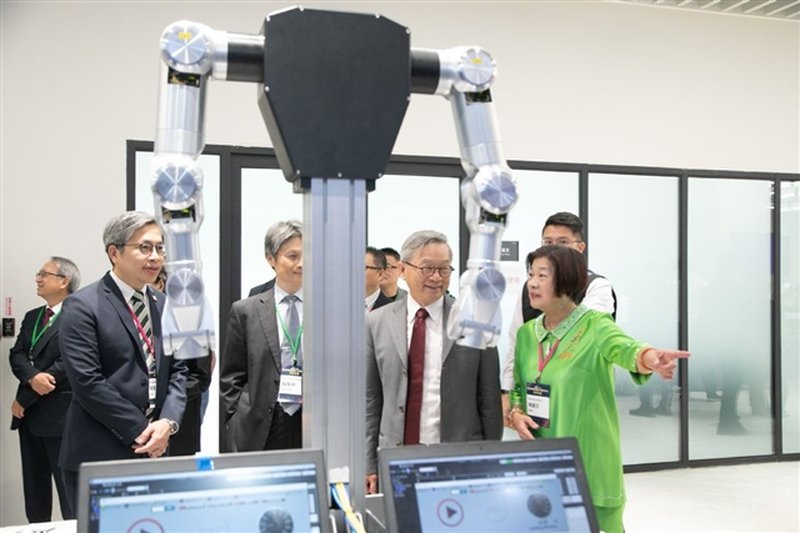
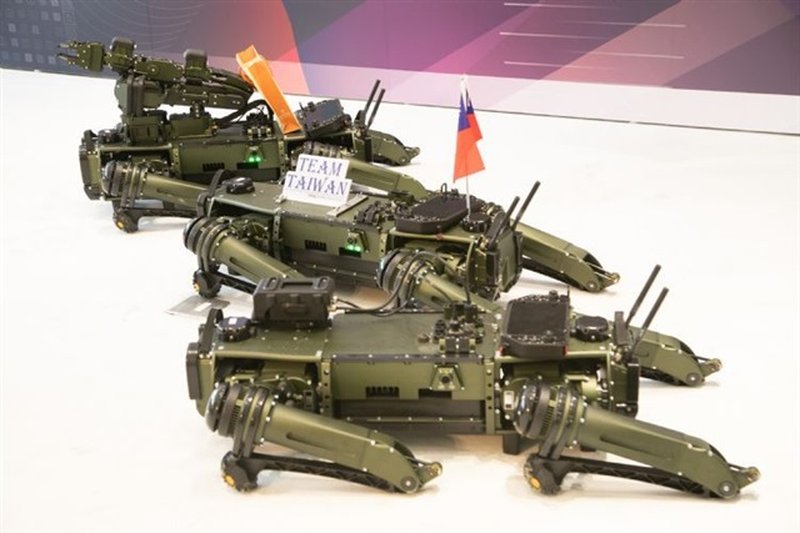
In an increasingly interconnected and competitive global technological landscape, Taiwan and the United States are forging a strategic cross-Pacific axis in the field of robotics. This collaboration, as reported by DIGITIMES, marks a significant step towards integrating their respective expertise and resources, with the aim of accelerating innovation and the development of next-generation robotic systems.
The initiative reflects a growing awareness of the importance of strategic alliances to address the challenges and seize the opportunities offered by the advancement of Artificial Intelligence and automation. For companies and institutions operating in critical sectors, the ability to access cutting-edge technologies and ensure the resilience of supply chains has become an absolute priority.
The Intersection of Robotics and Artificial Intelligence
Modern robotics is intrinsically linked to Artificial Intelligence, with Large Language Models (LLMs) playing an increasingly central role in enabling robots to understand complex contexts, interact more naturally, and make autonomous decisions. The integration of LLMs into robotic systems requires a robust computational infrastructure, capable of handling real-time Inference with low latency and high Throughput.
This translates into the need for specialized hardware, such as GPUs with high VRAM, and Deployment strategies that prioritize edge computing or self-hosted on-premise solutions. Such approaches are fundamental not only for performance but also for ensuring data sovereignty and security in sensitive operational environments. The ability to run complex models directly on the device or in a controlled data center is crucial for applications that cannot tolerate delays or risks of data exposure.
Challenges include optimizing energy efficiency, miniaturizing components, and creating air-gapped environments for critical applications where external connectivity is limited or absent. These constraints drive the adoption of increasingly sophisticated hardware and software solutions, capable of balancing computing power and operational requirements.
Strategic Implications and Technological Sovereignty
The formation of this robotics axis has profound strategic implications. Taiwan, with its prominent role in silicio and semiconductor manufacturing, is an indispensable partner for AI hardware development. This collaboration can help strengthen global supply chains, reducing reliance on single sources and mitigating geopolitical risks.
For CTOs, DevOps leads, and infrastructure architects, this trend underscores the importance of carefully evaluating AI Deployment options. In sectors such as defense, advanced manufacturing, or healthcare, data sovereignty, regulatory compliance, and security are non-negotiable priorities. Self-hosted and on-premise solutions offer complete control over data and models, essential for maintaining compliance and protecting intellectual property, surpassing the limitations of public cloud deployments.
Furthermore, the analysis of the Total Cost of Ownership (TCO) for long-term deployments becomes a decisive factor. Balancing initial investment (CapEx) with operational costs and the benefits in terms of security and control is a strategic decision that requires a deep understanding of the trade-offs between different architectures.
Future Prospects for AI Infrastructure
This cross-Pacific collaboration is not only set to drive innovation in robotics but will also influence the evolution of AI Deployment architectures globally. Technological interdependence among leading nations can accelerate the development of standards and Frameworks for AI and robotics integration.
For technical decision-makers, it is crucial to consider the full spectrum of Deployment options – from edge computing for low latency to on-premise data centers for maximum security and control – in order to support increasingly sophisticated and autonomous robotic applications. The choice of the right infrastructure is a critical factor for the success of any AI-driven initiative.
For a more in-depth analysis on how to evaluate on-premise LLM deployments and understand the associated trade-offs, AI-RADAR offers analytical frameworks and dedicated resources at /llm-onpremise.







💬 Comments (0)
🔒 Log in or register to comment on articles.
No comments yet. Be the first to comment!