A New Impetus for Digital Mental Healthcare
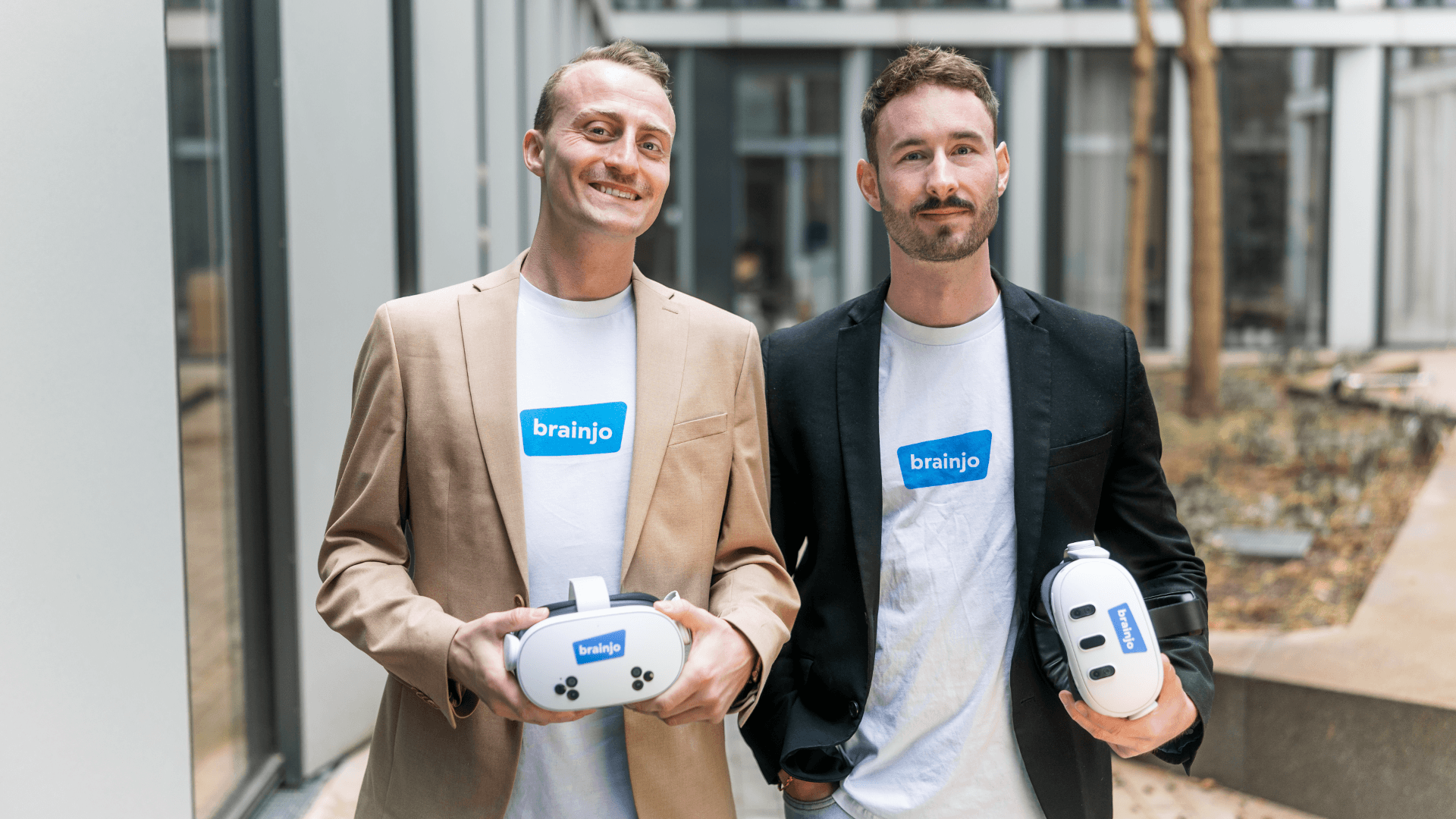
The German startup brainjo, based in Regensburg, has announced the closing of a €2 million seed funding round. The operation was led by High-Tech Gründerfonds (HTGF), a leading European seed investor, with additional participation from strategic partners and business angels, including Andreas Weinhut and better ventures. This capital represents a significant step for the company, which aims to revolutionize access and effectiveness of mental health services through the integration of Virtual Reality (VR).
The mental health sector has long grappled with complex challenges, including limited therapy availability, long waiting lists, and insufficient access to services. brainjo aims to address these gaps by leveraging VR as a prescribable extension to psychotherapy, designed to enhance patient adherence to treatments and broaden their accessibility. The company's approach fits into a broader context of healthcare digitalization, where technological solutions seek to make care more efficient and personalized.
Virtual Reality as a Therapeutic Complement
brainjo develops Digital Health Applications (DiGA) that can be prescribed by therapists or physicians and reimbursed by health insurance. These immersive VR-based solutions are not intended to replace traditional psychotherapy but rather to complement it. By offering individualized and accessible therapy that patients can use comfortably from home, brainjo aims to strengthen existing care pathways.
This operational model is crucial for addressing critical gaps in care where conventional therapy alone may fall short. The ability to offer continuous and personalized support outside the clinical environment can significantly improve patient engagement and the overall effectiveness of treatment. Markus Wensauer, co-founder and CEO of brainjo, emphasized how the strong network of partners, including MEDICE – The Health Family as a strategic partner and HTGF, ideally positions the company to bring its solutions into healthcare and establish multimodal therapy offerings.
Context and Implications in the Digital Healthcare Sector
The integration of Virtual Reality into mental health represents a promising frontier. VR technology offers controlled and immersive environments that can be used to simulate specific situations, help patients develop coping mechanisms, or simply provide a relaxing environment for therapy. This approach is particularly relevant in an era where the demand for mental health services is growing and resources are often limited.
DiGAs, like those developed by brainjo, are an example of how technology can be formally integrated into healthcare systems. Their reimbursability by health insurance in Germany (and other countries with similar regulations) is a key factor for their large-scale adoption, ensuring that digital innovations do not remain confined to market niches. brainjo's mission to create evidence-based, immersive therapy solutions is fundamental to achieving this acceptance and scaling existing treatment approaches.
Future Prospects and Next Steps
The newly secured capital will be allocated to finance a major milestone: a clinical study and obtaining regulatory approval for brainjo's first VR-based DiGA. This initial application, developed in collaboration with MEDICE – The Health Family, will specifically focus on children with ADHD (Attention Deficit Hyperactivity Disorder).
Market approval for this solution is currently planned for 2028. This timeline underscores the complexity and rigor of the clinical validation and regulatory process required for digital medical applications. The success of this path will not only pave the way for brainjo in the market but could also serve as a model for future innovations in technology-supported mental health.









💬 Comments (0)
🔒 Log in or register to comment on articles.
No comments yet. Be the first to comment!