Gigabyte W775-V10-L1: New Features for NVIDIA GB300 Server with PCIe Gen6 and Liquid Cooling
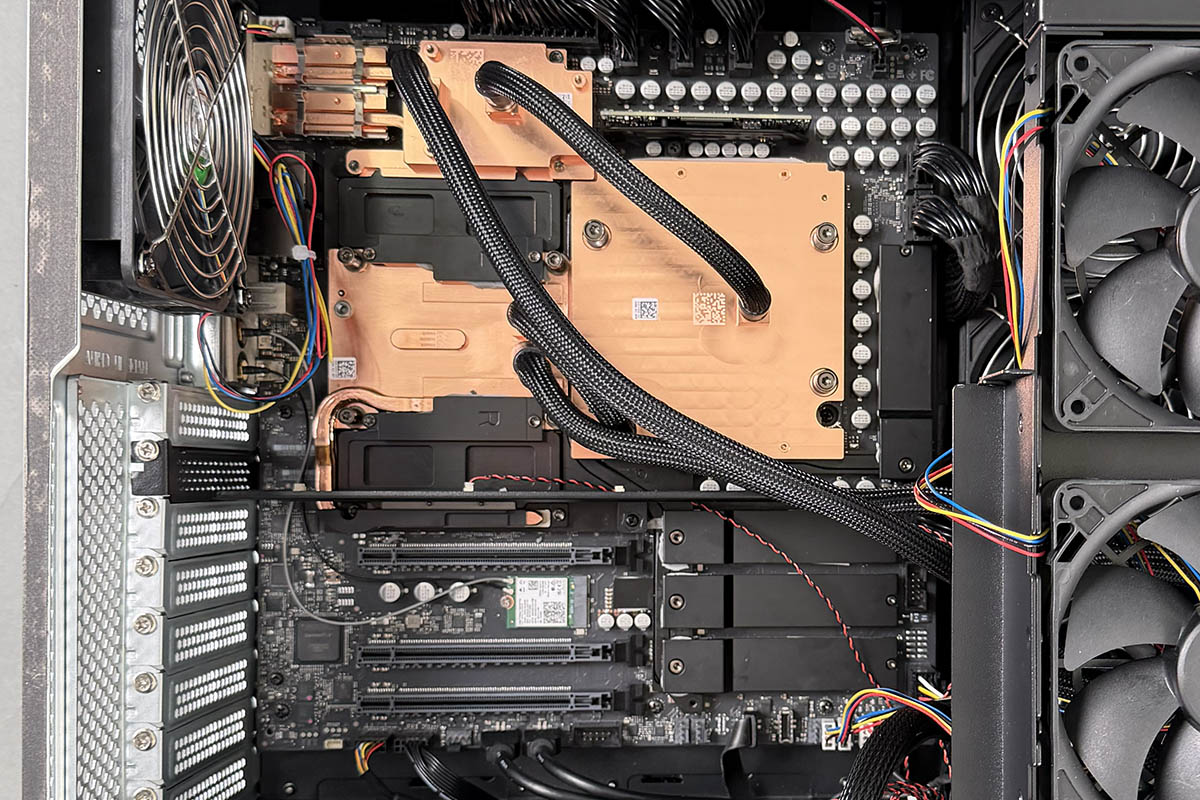
Gigabyte's recent exhibition in Taipei showcased the W775-V10-L1 server, a platform designed to host powerful NVIDIA GB300 GPUs. This system stands out for introducing two key features that could significantly impact the deployment of Large Language Models (LLM) and other high-computational artificial intelligence workloads. The focus on optimized hardware solutions is crucial for companies seeking to balance performance, control, and TCO in their on-premise environments.
The AI market continues to push infrastructure limits, demanding servers increasingly capable of handling enormous data volumes and complex calculations. In this context, innovation at the component and cooling system level becomes a decisive factor in ensuring operational sustainability and efficiency. Gigabyte's W775-V10-L1 positions itself as a response to these emerging needs, offering an architecture designed to maximize the performance of next-generation graphics processing units.
Technical Details of the Innovations
Among the most relevant innovations in the Gigabyte W775-V10-L1 are the dual PCIe Gen6 M.2 slots. The PCIe Gen6 interface represents a significant step forward compared to previous generations, doubling the bandwidth per lane over PCIe Gen5. This translates into significantly higher data throughput, essential for applications requiring rapid access to large datasets, such as LLM training or the execution of Retrieval Augmented Generation (RAG) pipelines. The presence of two M.2 slots also offers flexibility for RAID configurations or for using high-speed storage for the operating system and temporary data, reducing I/O bottlenecks that often limit the overall performance of AI systems.
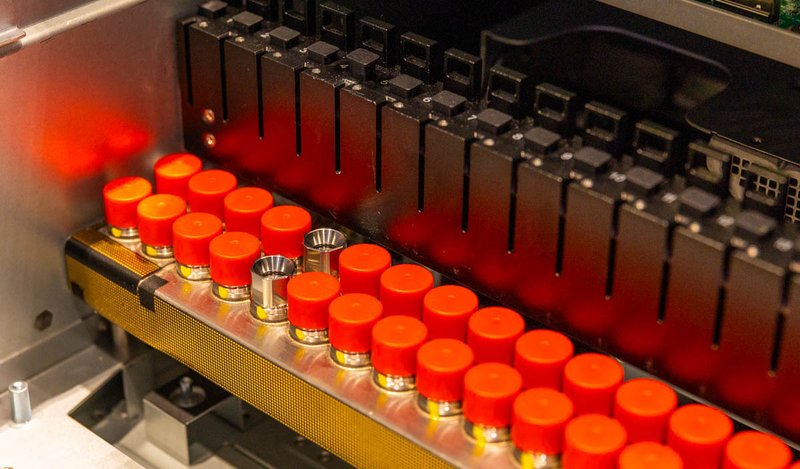
Another distinctive feature is the special liquid-cooling tray. Modern GPUs, such as the NVIDIA GB300, generate a considerable amount of heat, making traditional air-cooling systems less efficient or insufficient to maintain optimal operating temperatures under high and prolonged loads. Liquid cooling offers superior thermal dissipation capacity, allowing GPUs to operate at higher frequencies for longer periods without throttling. This not only improves sustained performance but also helps extend component lifespan and reduce operational noise within the data center, important aspects for infrastructure reliability and management.
Implications for On-Premise Deployments
The features introduced in the Gigabyte W775-V10-L1 server are particularly relevant for organizations opting for on-premise deployments of LLMs and AI workloads. Data sovereignty, regulatory compliance, and the need for air-gapped environments drive many companies to keep AI infrastructure within their own data centers. In these scenarios, the efficiency and power of local hardware become critical parameters.
PCIe Gen6 M.2 slots can accelerate access to local data, a significant advantage for those managing proprietary or sensitive datasets that cannot be moved to the cloud. Liquid cooling, on the other hand, is fundamental for maximizing the return on investment in high-end GPUs. Keeping GPUs cool means ensuring consistent and predictable performance, essential for capacity planning and meeting internal SLAs (Service Level Agreements). While implementing liquid cooling systems may involve higher initial CapEx, the potential benefits in terms of energy efficiency, reduced long-term TCO, and greater operational reliability can justify the investment for intensive AI workloads.
Future Outlook and Final Considerations
Innovation in AI hardware is a continuous process, driven by the increasing complexity of models and the demand for ever-greater performance. The Gigabyte W775-V10-L1, with its advanced I/O and cooling features, reflects this trend, offering a robust platform for current and future challenges. The ability to integrate cutting-edge technologies like PCIe Gen6 and liquid cooling into a tower form factor indicates a clear direction towards denser and more performant solutions.
For CTOs, DevOps leads, and infrastructure architects, evaluating these new hardware solutions is crucial. Understanding the trade-offs between different deployment options, from bare metal to cloud, and the impact of technical specifications on TCO and data sovereignty, is essential for making informed decisions. AI-RADAR continues to monitor these evolutions, providing in-depth analysis to support strategic choices in AI infrastructure.






💬 Comments (0)
🔒 Log in or register to comment on articles.
No comments yet. Be the first to comment!