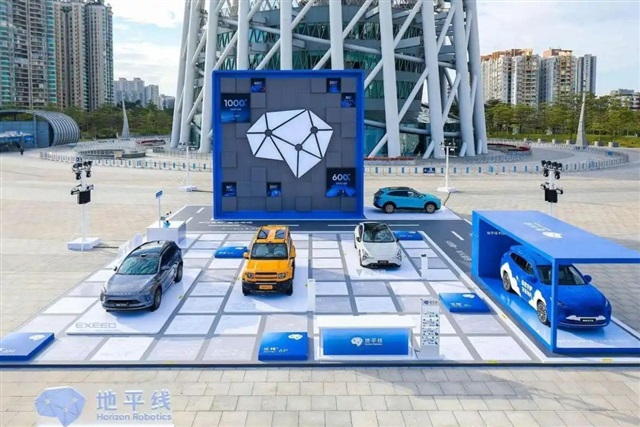
Horizon Robotics, un'azienda cinese specializzata in chip per l'intelligenza artificiale, sta puntando a una significativa riduzione dei costi per i veicoli elettrici (EV) attraverso lo sviluppo di soluzioni hardware integrate. L'iniziativa si concentra sulla creazione di chip AI che possano essere implementati direttamente a bordo dei veicoli, ottimizzando le prestazioni e l'efficienza economica. Questo approccio riflette una tendenza più ampia nel settore tecnicico, dove l'integrazione hardware-software diventa cruciale per l'adozione su larga scala dell'AI in contesti embedded e ad alte prestazioni.
L'industria automobilistica è in rapida evoluzione, con l'intelligenza artificiale che gioca un ruolo sempre più centrale nei sistemi avanzati di assistenza alla guida (ADAS) e nelle funzionalità di guida autonoma. La capacità di elaborare grandi volumi di dati in tempo reale, direttamente sul veicolo, è fondamentale per garantire sicurezza e reattività. Horizon Robotics si posiziona in questo scenario offrendo soluzioni che mirano a rendere queste tecnicie non solo più potenti, ma anche economicamente sostenibili per i produttori di veicoli elettrici, un fattore chiave per l'espansione del mercato.
L'architettura del chip integrato e i suoi vantaggi
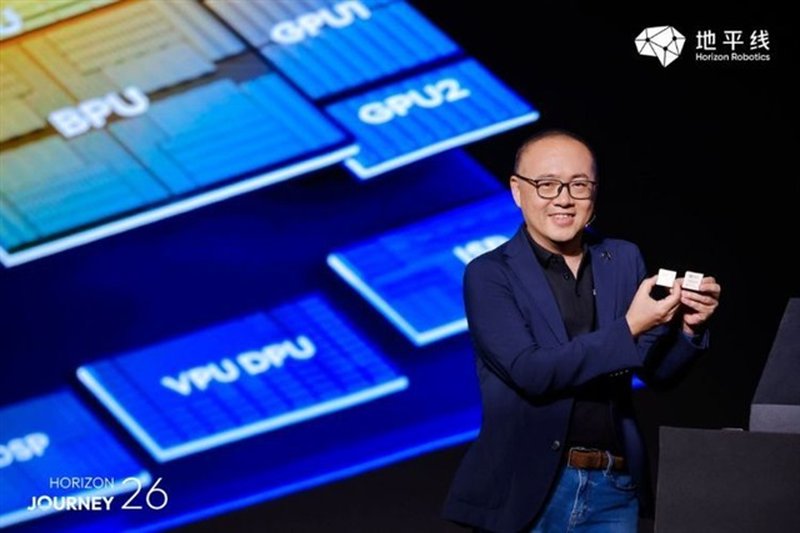
Il concetto di "chip integrato" nel contesto dell'AI automobilistica si riferisce tipicamente a un System-on-Chip (SoC) che combina diverse unità di elaborazione – come CPU, GPU, NPU (Neural Processing Unit) e acceleratori dedicati – su un singolo pezzo di silicio. Questa architettura offre numerosi vantaggi rispetto a soluzioni basate su componenti discreti. Innanzitutto, migliora l'efficienza energetica, un aspetto critico per i veicoli elettrici dove ogni watt conta per l'autonomia della batteria. L'integrazione riduce inoltre la latenza, poiché i dati non devono viaggiare tra chip diversi, garantendo risposte più rapide per le funzioni di sicurezza e controllo.
Dal punto di vista del deployment, un chip integrato facilita l'implementazione "edge" o "on-device", dove l'elaborazione avviene localmente sul veicolo. Questo è essenziale per applicazioni che richiedono bassa latenza e alta affidabilità, come la percezione ambientale e la pianificazione del percorso. Per i CTO e gli architetti di infrastrutture che valutano soluzioni AI, l'approccio integrato per l'edge computing offre un controllo maggiore sui dati e sulla sicurezza, riducendo la dipendenza dalla connettività cloud e affrontando le preoccupazioni relative alla sovranità dei dati. Tuttavia, la progettazione di tali chip è complessa e richiede un'attenta ottimizzazione per bilanciare prestazioni, consumo energetico e costi di produzione.
Impatto sul TCO e sul mercato dei veicoli elettrici
La strategia di Horizon Robotics di puntare su chip AI integrati ha implicazioni dirette sul Total Cost of Ownership (TCO) per i produttori di veicoli elettrici. Riducendo il numero di componenti, semplificando la catena di approvvigionamento e ottimizzando il consumo energetico, questi chip possono contribuire a contenere i costi di produzione e operativi dei veicoli. Un TCO inferiore non solo rende i veicoli elettrici più competitivi sul mercato, ma permette anche ai produttori di investire maggiormente in altre innovazioni o di offrire prezzi più accessibili ai consumatori finali.
Questo approccio si allinea con le esigenze delle aziende che cercano di implementare l'AI in ambienti controllati e con budget definiti. La capacità di avere un controllo granulare sull'hardware e sul software, tipica dei deployment self-hosted o on-premise, si traduce in un maggiore controllo sui costi a lungo termine e sulla gestione del ciclo di vita del prodotto. Per chi valuta deployment on-premise per carichi di lavoro AI, l'esperienza di ottimizzazione hardware per l'edge nell'automotive offre spunti preziosi su come bilanciare prestazioni, efficienza e costi, un tema che AI-RADAR esplora con framework analitici specifici per /llm-onpremise.
Prospettive future e sfide dell'AI embedded
L'evoluzione dei chip AI integrati per l'automotive è un indicatore della direzione che sta prendendo l'intelligenza artificiale in molti settori. La spinta verso soluzioni hardware sempre più specializzate ed efficienti è fondamentale per superare i limiti delle architetture general-purpose e per abilitare nuove funzionalità in contesti con vincoli stringenti di potenza, spazio e costo. La sfida principale per aziende come Horizon Robotics sarà mantenere un equilibrio tra la flessibilità necessaria per supportare algoritmi AI in continua evoluzione e l'efficienza intrinseca di un design integrato.
Guardando al futuro, la capacità di aggiornare e migliorare le funzionalità AI su questi chip embedded sarà cruciale. Questo richiede non solo un'architettura hardware robusta, ma anche un framework software ben progettato che consenta aggiornamenti over-the-air (OTA) e un'ottimizzazione continua dei modelli. L'impegno di Horizon Robotics nel rendere l'AI più accessibile nei veicoli elettrici sottolinea come l'innovazione nel silicio sia un pilastro fondamentale per la democratizzazione e l'adozione diffusa dell'intelligenza artificiale in applicazioni critiche e quotidiane.







💬 Commenti (0)
🔒 Accedi o registrati per commentare gli articoli.
Nessun commento ancora. Sii il primo a commentare!