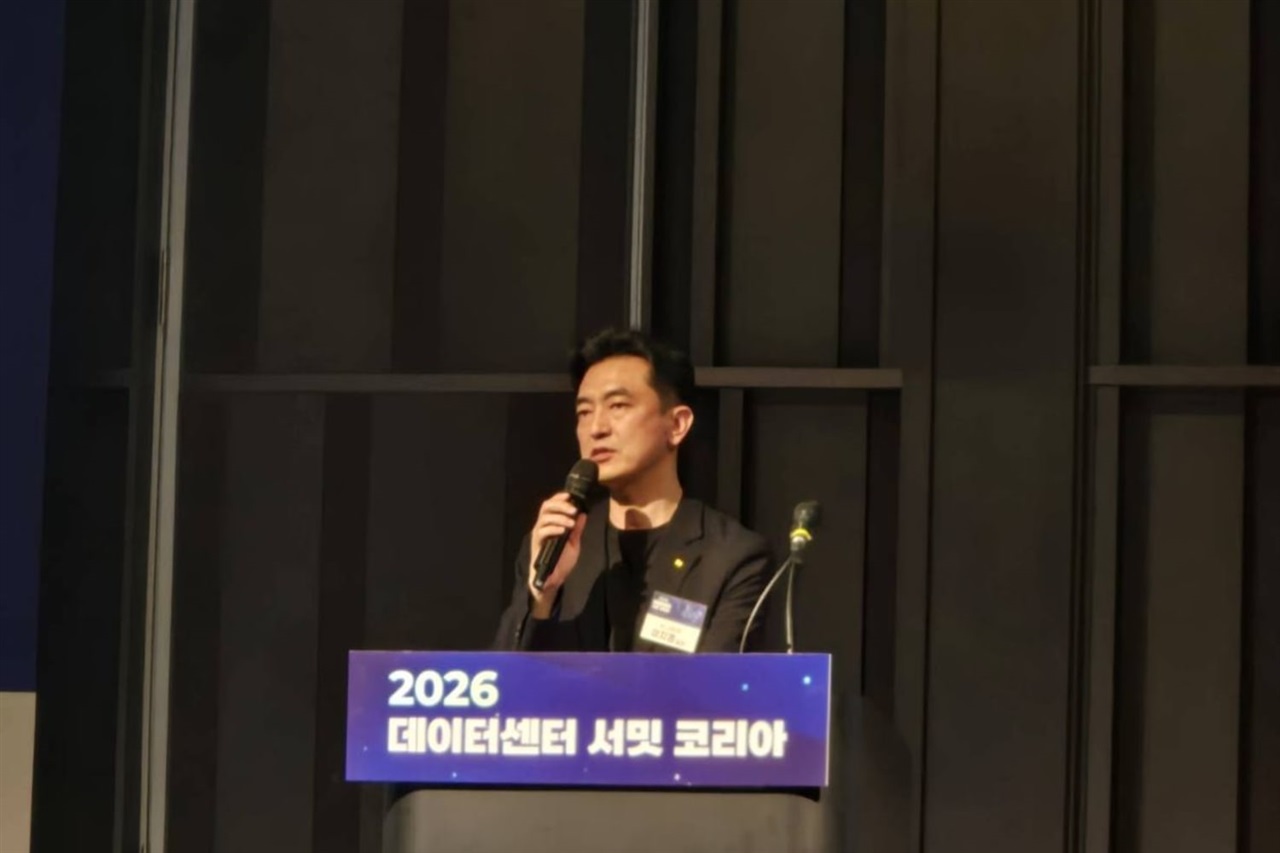
Accelerating AI Infrastructure with KT Cloud
The demand for dedicated artificial intelligence infrastructure is constantly growing, pushing companies to seek innovative solutions for the rapid and efficient deployment of data centers. In this context, KT Cloud emerges as a player redefining construction paradigms, focusing on speed and optimization. The company adopts a dual approach based on modular construction and the implementation of digital twins to accelerate the realization of its AI data centers.
This strategy directly addresses the needs of a market that requires ever-increasing computational capabilities, particularly for intensive workloads such as the training and inference of Large Language Models (LLMs). Traditional data center construction methods often face long timelines and high costs, making it difficult to keep pace with the exponential evolution of AI technologies and their associated hardware requirements.
Modular Construction and Digital Twins: Pillars of Efficiency
Modular construction represents a significant breakthrough in the data center industry. Instead of building structures from scratch on-site, prefabricated components, such as modules for power, cooling, or server spaces, are used and assembled rapidly. This approach not only drastically reduces construction times but also allows for greater scalability and flexibility, enabling companies to expand their capacity according to specific needs while minimizing operational disruption.
In parallel, the integration of digital twins offers an unprecedented level of control and optimization. A digital twin is a virtual replica of a physical asset, in this case a data center, which allows for real-time simulation, monitoring, and performance analysis. Through digital twins, KT Cloud can precisely plan layouts, predict energy consumption, optimize cooling systems, and identify potential issues before they physically manifest. This translates into greater operational efficiency and a reduction in the Total Cost of Ownership (TCO) in the long term.
Implications for On-Premise and Hybrid Deployments
The adoption of modular construction and digital twins has profound implications for organizations considering on-premise AI deployments or hybrid strategies. The ability to rapidly implement dedicated infrastructure is crucial for maintaining control over sensitive data, ensuring regulatory compliance, and operating in air-gapped environments where data sovereignty is a top priority. Modular solutions facilitate the expansion of computational capacity required for LLMs, which often demand substantial hardware resources such as GPUs with high VRAM and advanced cooling systems.
For those evaluating on-premise deployments, significant trade-offs exist between initial investment (CapEx) and operational costs (OpEx), as well as flexibility and scalability. KT Cloud's approach offers a model that can mitigate some of these constraints, making the self-hosted option more attractive. The ability to build and commission a data center in record time means companies can start deriving value from their AI workloads much faster, reducing the time-to-market for new applications and services.
Future Prospects and Strategic Considerations
Innovation in data center construction, such as that promoted by KT Cloud, highlights a clear trend towards more agile and responsive infrastructures. The combination of prefabrication and intelligent monitoring via digital twins is not just a matter of speed, but also of sustainability and resilience. Companies investing in AI must consider not only computing power but also the efficiency with which that power is delivered and managed.
However, adopting these methodologies requires accurate strategic planning. While modular construction offers advantages in terms of speed and scalability, it is crucial to evaluate integration with existing infrastructure and compatibility with specific hardware requirements for training and inference of complex models. Choosing a partner like KT Cloud, which masters these techniques, can be a critical success factor for organizations aiming to build their AI capacity with efficiency and control.








💬 Comments (0)
🔒 Log in or register to comment on articles.
No comments yet. Be the first to comment!