
The sign, in its most stripped-down form, is a stylized drawing of a V100 and a phrase: "we don't call tech support." The post behind it is deliberately ambiguous: half shitpost, half serious provocation. The author says that in 2030 owning a GPU cluster will be viewed the same way as owning a gun for home defense. They add they would sell these signs on Etsy, if Jensen wouldn't hit them with a cease and desist.
The joke is obviously exaggerated, but it touches a real nerve in the local AI debate. In recent years self-hosted has moved from a hobbyist choice to a structured posture for people who want control over data, models, and response times. The home-defense reference is not casual: it ties hardware ownership to autonomy, protection, and the ability not to depend on an external service. It is no longer only about avoiding recurring cloud costs, but about a form of computational sovereignty entering everyday language.
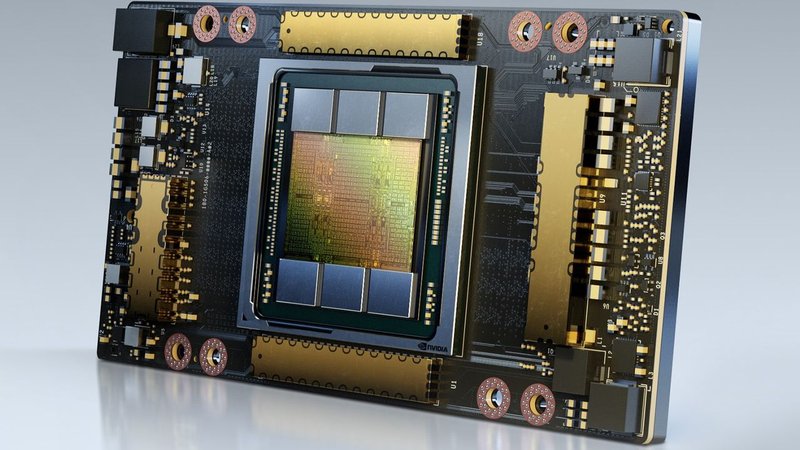
The V100 is an interesting symbol in this scenario. It is not the newest hardware, but it is recognizable to people familiar with inference workloads and with reusing cards originally built for data centers. The fact that it ends up on a hypothetical door sign shows how part of the community is normalizing the idea of running enterprise-class machines at home. It is a cultural signal: you don't call tech support, you handle it yourself.
The serious side of the provocation is the reversal of the dominant narrative. For years the cloud sold the idea that delegating infrastructure was the most rational choice. Here the opposite emerges: a local cluster as a form of protection, almost a technological safe haven. The second-order implications are concrete. Hardware makers could face growing demand for used or mid-range GPUs repurposed for local inference. Public cloud providers risk losing some of the customers most focused on control. And those building serving frameworks for local workloads gain relevance if management complexity remains high.
Then there is the intellectual property question. The post author knows that selling signs with a V100 drawing could trigger a cease and desist. It is a joke, but it highlights how closely guarded hardware branding is. The line between DIY culture and brand control remains sharp.
There is no need to take the 2030 date or the gun comparison literally. The news, if it can be called that, is that a joke like this no longer sounds entirely absurd. It reflects a shift in sensibility: local AI is no longer just about performance, but about posture. AI-RADAR explores the trade-offs of this transition in its /llm-onpremise section, where self-hosted LLM deployments are analyzed without slogans.





💬 Comments (0)
🔒 Log in or register to comment on articles.
No comments yet. Be the first to comment!