
A New Era for the Personal Computer
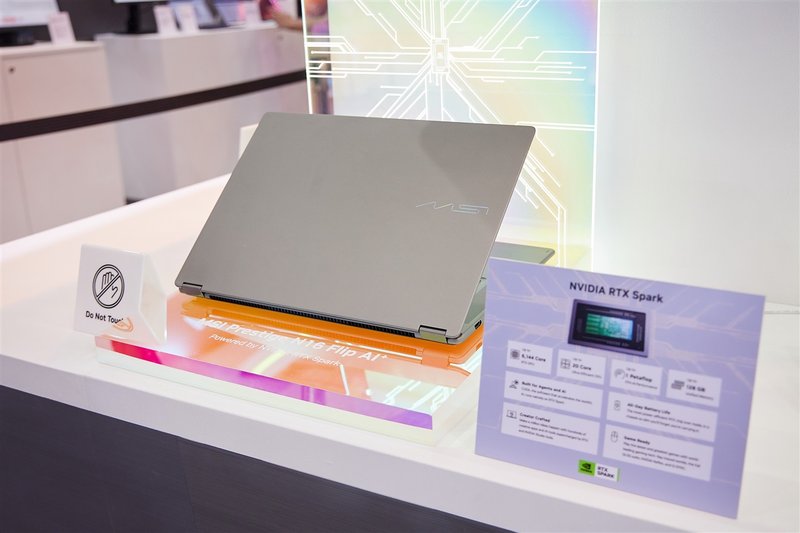
The technology landscape is buzzing in anticipation of Computex, with Nvidia, Microsoft, and Arm hinting at the advent of a "new era of PC." This joint statement, reported by Digitimes, suggests a significant evolution in how we perceive and use personal computers, with artificial intelligence at the heart of this transformation. It's not merely a hardware upgrade but a rethinking of the device's fundamental capabilities, aimed at integrating AI functionalities directly on board.
This announcement comes at a time when interest in generative AI is at an all-time high. The convergence of such influential players in the hardware and software sectors indicates a clear direction: AI will no longer be exclusively confined to the cloud but will become an intrinsic component of the user experience on local devices, opening new frontiers for distributed processing.
On-device AI: Advantages and Requirements
The promise of a "new era of PC" is based on the ability to execute AI workloads, including Large Language Models (LLM), directly on the device. This approach, known as on-device AI or edge AI, offers numerous advantages. Firstly, it enhances data sovereignty and privacy, as sensitive information does not need to leave the device for processing. This is a critical factor for sectors like finance, healthcare, or public administration, which are subject to stringent regulations such as GDPR.
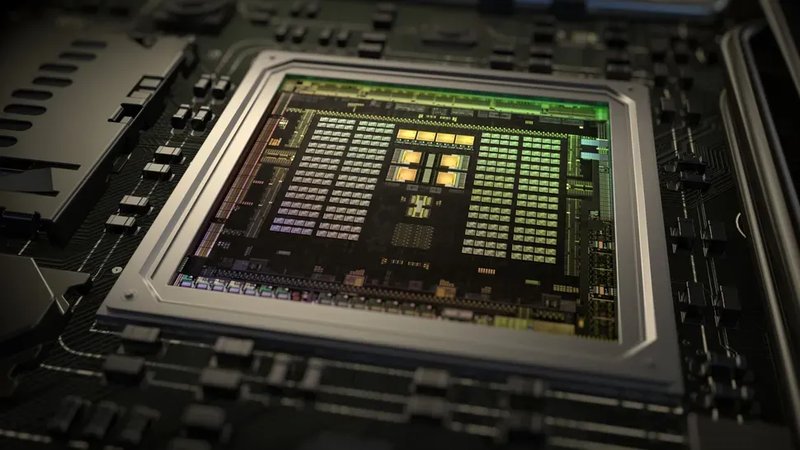
Secondly, local processing drastically reduces latency, improving the responsiveness of AI applications. To support these capabilities, next-generation PCs will require specialized hardware, such as dedicated Neural Processing Units (NPU) or integrated GPUs with sufficient VRAM. The choice between different hardware architectures and managing memory requirements for running various LLM sizes represent key decisions for system architects and DevOps leads evaluating AI solution deployments in on-premise contexts.
Implications for the Ecosystem and Professionals
This transition towards AI-powered PCs will have profound implications for the entire technology ecosystem. Developers will need to adapt their Frameworks and pipelines to optimize models for on-device execution, considering constraints like computational power and available memory. Companies, on the other hand, can explore new hybrid deployment strategies, distributing AI workloads between the cloud and local devices based on cost, performance, and security needs.
For CTOs and infrastructure architects, evaluating the Total Cost of Ownership (TCO) will become even more complex, balancing cloud operational costs with initial investment in on-premise or on-device hardware and long-term benefits in terms of control and privacy. For those evaluating on-premise deployments, significant trade-offs exist, and AI-RADAR offers analytical Frameworks on /llm-onpremise to support the evaluation of these aspects, providing tools to compare different deployment options.
Future Prospects and Technical Challenges
The "new era of PC" promises to unlock unprecedented potential for innovation, making AI more accessible and integrated into daily and professional life. However, challenges remain. Optimizing models for execution on resource-constrained hardware will require advanced techniques like Quantization and specific Fine-tuning for the edge. It will be crucial to ensure that performance and privacy benefits are not compromised by excessive power consumption or unsustainable management complexity.
Computex will likely be the stage for the first concrete announcements regarding this vision. It will be interesting to observe how Nvidia, Microsoft, and Arm intend to translate these promises into real products and solutions, setting the standards for the next generation of personal computers and their AI capabilities, with an eye towards the data sovereignty and control requirements that characterize on-premise deployments.




💬 Comments (0)
🔒 Log in or register to comment on articles.
No comments yet. Be the first to comment!