Western Europe's Automotive Production Decline and the Push for AI Innovation
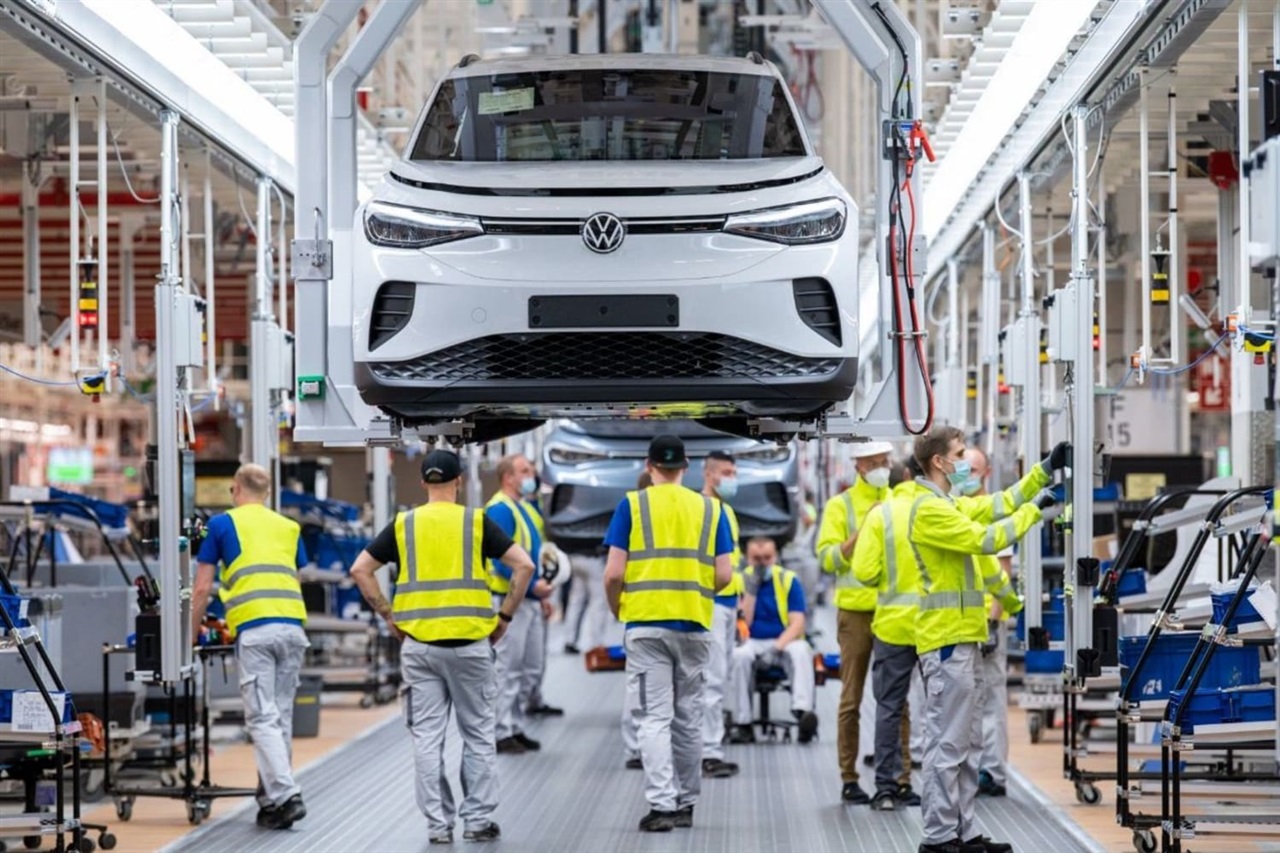
The automotive sector in Western Europe is facing a significant contraction phase. According to DIGITIMES projections, vehicle production in the region is set to decrease by one-third by 2030, with Germany expected to be the hardest-hit country by this trend. This scenario, characterized by economic pressures and structural changes, compels companies in the sector to deeply reflect on future strategies and the adoption of technologies capable of mitigating negative impacts and fostering new opportunities.
In such a complex context, technological innovation emerges as a fundamental lever. The implementation of AI-based solutions, particularly Large Language Models (LLMs), can offer pathways to optimize processes, improve operational efficiency, and accelerate the development of new products and services. The ability to analyze large volumes of data, automate complex tasks, and support strategic decisions becomes crucial for maintaining competitiveness in an evolving market.
Infrastructure Choices for Large Language Models
Enterprise-level LLM adoption requires thoughtful infrastructure decisions, especially for sectors like automotive that handle sensitive data and critical processes. The choice between a cloud deployment and a self-hosted or on-premise infrastructure is central to these evaluations. An on-premise deployment offers direct control over hardware, allowing for optimized resource allocation and more flexible management of inference and training workloads.
For LLM inference, for example, hardware specifications are critical. GPUs with high VRAM, such as NVIDIA A100 or H100, are often necessary to host large models and ensure adequate throughput with low latency. Model quantization can reduce memory requirements but introduces trade-offs in terms of precision. Evaluating the Total Cost of Ownership (TCO) of these solutions, which includes hardware acquisition, energy, cooling, and maintenance costs, is essential for companies aiming to contain long-term operational expenses.
Data Sovereignty and Compliance: Strategic Priorities
In highly regulated sectors like automotive, data sovereignty and regulatory compliance are absolute priorities. Managing proprietary data, research and development data, or production-related data requires strict control over its location and access. On-premise or air-gapped deployments offer a superior level of security and control, allowing companies to keep data within their physical boundaries and more easily adhere to regulations like GDPR.
This need for control often conflicts with the flexibility and scalability offered by cloud solutions. However, for critical AI workloads, the ability to ensure that data does not leave the company's controlled environment can outweigh the benefits of elastic cloud scalability. Evaluating these trade-offs is fundamental for CTOs and infrastructure architects, who must balance performance, costs, and security requirements. For those evaluating on-premise deployments, AI-RADAR offers analytical frameworks on /llm-onpremise to assess these trade-offs in a structured manner.
Future Prospects and Strategic Resilience
The projected decline in European automotive production underscores the need for industries to adopt a proactive approach to innovation. The strategic integration of AI and Large Language Models, supported by robust and well-planned IT infrastructure, can transform challenges into opportunities. Decisions regarding AI infrastructure, particularly those prioritizing control, data sovereignty, and optimized TCO through self-hosted solutions, will be crucial for long-term resilience and competitiveness.
Companies that invest in a clear AI strategy, carefully considering hardware requirements, deployment models, and regulatory implications, will be better positioned to navigate complex economic scenarios. The ability to innovate internally, while maintaining control over their most valuable digital assets, will become a distinguishing factor in a rapidly evolving industrial landscape.





💬 Comments (0)
🔒 Log in or register to comment on articles.
No comments yet. Be the first to comment!