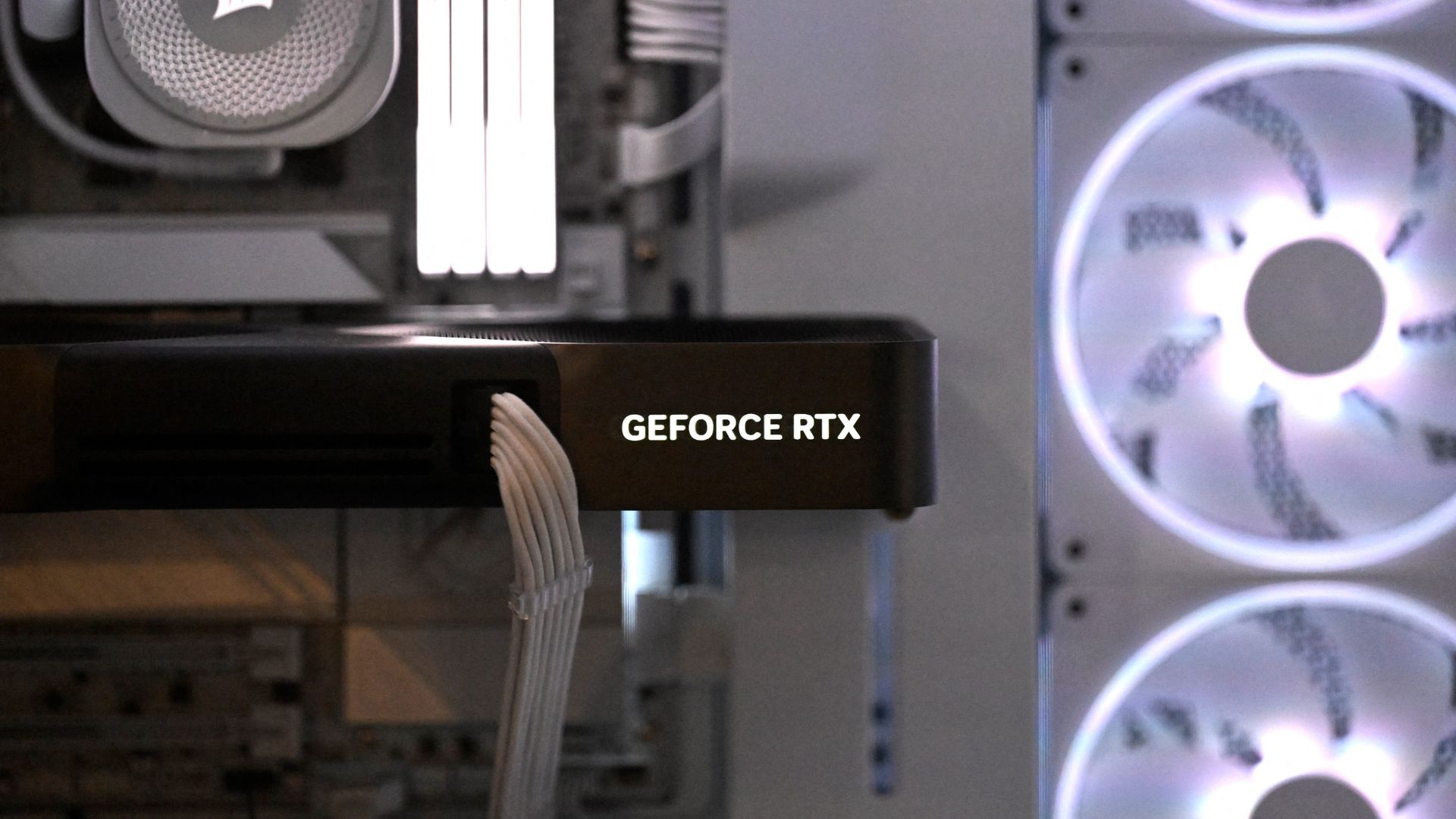
A modder decided to intervene on the power connectors of RTX 5090 cards after observing melting issues. The solution — a custom distributor — is not just an aesthetic accessory: it signals that the problem involves the power delivery design of cards built to absorb a lot of energy in compact spaces.
The point is not only the graphics card itself. Anyone who uses consumer GPUs to run LLMs locally or in small self-hosted nodes knows that continuous inference workloads stress the entire power subsystem. A connector that loses thermal integrity can degrade over time, create localized resistance and, in the worst cases, damage hardware. The modder's response — spreading the load across a custom component — suggests that the safety margins of the original design are not sufficient for prolonged sessions.
For those evaluating on-premise deployments with consumer-grade GPUs, the lesson is clear: reliability is not measured only in tokens per second or VRAM capacity. The stability of the power subsystem, connector quality and thermal management are variables that affect real TCO, because downtime or early replacement have costs that benchmarks do not show. AI-RADAR has dedicated space to these trade-offs for teams comparing local and cloud architectures.
Structurally, the episode signals that manufacturers push the power limits of high-end GPUs without always adapting connection standards. Aftermarket solutions, like the modder's, emerge when the community of enthusiasts and professionals identifies a weak point that official testing missed. This creates a double track: on one side, users who accept custom modifications lose warranty coverage; on the other, companies cannot adopt such expedients in production. The result is pressure on vendors to revise power components in later revisions.
The issue also touches data sovereignty. Teams running inference workloads on premises cannot afford a faulty connector compromising service availability. Redundancy and preventive maintenance become part of the strategy, not an accessory cost. The modder's DIY solution will not be replicable in an enterprise context, but the problem it highlights will.
It is not the first time a flagship card shows fragility in power delivery. In the past, sustained loads have stressed connectors and power phases, pushing some manufacturers to introduce silent hardware revisions. The choice of a custom distributor, in this case, shifts attention from nominal power to the quality of the electrical contact: a detail often overlooked in spec sheets but decisive when assembling machines for continuous training or inference.







💬 Comments (0)
🔒 Log in or register to comment on articles.
No comments yet. Be the first to comment!