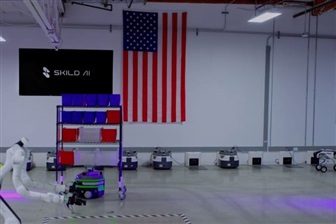
Skild AI rafforza l'automazione dei magazzini con l'acquisizione dell'unità robotica di Zebra
Skild AI, azienda focalizzata sull'innovazione nel settore dell'intelligenza artificiale, ha annunciato l'acquisizione dell'unità robotica di Zebra Technologies. Questa operazione strategica mira a consolidare la posizione di Skild AI nel crescente mercato dell'automazione dei magazzini, un settore in rapida evoluzione che vede l'integrazione sempre più profonda tra sistemi robotici e capacità di intelligenza artificiale. L'obiettivo è migliorare l'efficienza operativa e la gestione logistica attraverso soluzioni avanzate.
L'acquisizione evidenzia una tendenza chiara nel panorama industriale: le aziende cercano di ottimizzare le proprie supply chain e le operazioni interne attraverso l'adozione di tecnicie autonome. L'integrazione di robotica e AI promette di trasformare i magazzini tradizionali in hub intelligenti, capaci di gestire in modo autonomo lo smistamento, lo stoccaggio e la movimentazione delle merci, riducendo gli errori e aumentando la produttività.
Implicazioni per i deployment on-premise e l'edge computing
L'automazione dei magazzini, in particolare quella che coinvolge sistemi robotici complessi e algoritmi di intelligenza artificiale per la navigazione, la visione artificiale e la pianificazione, presenta requisiti infrastrutturali specifici. Molte di queste applicazioni richiedono elaborazione dei dati in tempo reale e bassa latenza, rendendo i deployment on-premise o all'edge una scelta preferenziale rispetto alle soluzioni basate esclusivamente su cloud. La necessità di un controllo diretto sui dati e sulle operazioni fisiche è cruciale.
Per le aziende che operano in settori con stringenti requisiti di sovranità dei dati o in ambienti air-gapped, l'implementazione di stack AI e robotici self-hosted diventa non solo un'opzione, ma una necessità. Questo approccio garantisce che i dati sensibili relativi a inventario, movimenti e processi operativi rimangano all'interno del perimetro aziendale, rispettando normative come il GDPR e riducendo i rischi di sicurezza. La gestione locale dell'Inference AI, spesso supportata da GPU dedicate o acceleratori specifici, è fondamentale per mantenere la reattività dei sistemi robotici.
Sinergie tecniciche e considerazioni sul TCO
L'integrazione dell'unità robotica di Zebra con le competenze AI di Skild AI apre nuove possibilità per lo sviluppo di soluzioni più intelligenti e autonome. I robot moderni, per funzionare efficacemente in ambienti dinamici come i magazzini, si affidano pesantemente a modelli di Machine Learning per percepire l'ambiente, prendere decisioni e interagire con gli oggetti. Questo richiede capacità di elaborazione significative, spesso fornite da GPU con VRAM elevata per gestire carichi di lavoro di visione artificiale e pianificazione del percorso.
La valutazione del Total Cost of Ownership (TCO) per tali sistemi è un fattore determinante. Sebbene l'investimento iniziale in hardware e infrastruttura on-premise possa essere elevato (CapEx), i costi operativi a lungo termine possono risultare più vantaggiosi rispetto a un modello basato su cloud, che potrebbe comportare costi ricorrenti per il trasferimento dati (egress fees) e l'utilizzo di risorse di calcolo. Per chi valuta deployment on-premise, AI-RADAR offre framework analitici su /llm-onpremise per valutare i trade-off tra costi iniziali, operativi e benefici in termini di controllo e performance.
Prospettive future e l'evoluzione del mercato
L'acquisizione di Skild AI riflette la rapida evoluzione del mercato dell'automazione, dove la convergenza tra intelligenza artificiale, robotica e Internet of Things (IoT) sta ridefinendo le operazioni industriali. Le aziende cercano soluzioni che non solo automatizzino compiti ripetitivi, ma che possano anche adattarsi e apprendere da ambienti complessi, migliorando continuamente le proprie performance. Questo spinge la domanda di hardware e software sempre più sofisticati, capaci di supportare carichi di lavoro AI intensivi direttamente sul campo.
La scelta tra architetture self-hosted e cloud per l'AI e la robotica rimarrà un punto cruciale per i decision-maker tecnicici. Mentre il cloud offre scalabilità e flessibilità, le esigenze di bassa latenza, sovranità dei dati e controllo fisico in ambienti come i magazzini spesso inclinano la bilancia verso soluzioni on-premise o ibride. Il successo di operazioni come quella di Skild AI dipenderà dalla capacità di integrare efficacemente queste tecnicie, offrendo soluzioni robuste e performanti che rispondano alle specifiche esigenze operative dei clienti.






💬 Commenti (0)
🔒 Accedi o registrati per commentare gli articoli.
Nessun commento ancora. Sii il primo a commentare!