
Waymo a Londra: un nuovo banco di prova per l'AI su strada
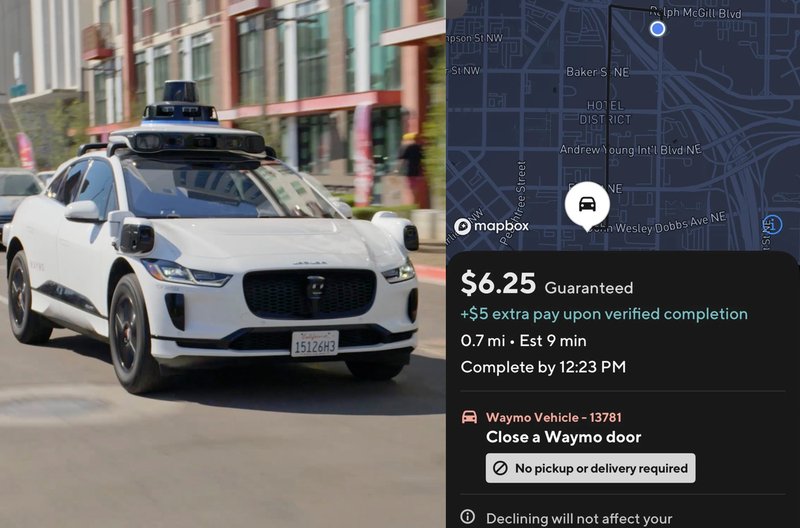
Waymo, la divisione di Alphabet specializzata in veicoli a guida autonoma, ha intrapreso una nuova e significativa fase di test, portando il proprio software nelle trafficate e complesse strade di Londra. Questa mossa rappresenta un momento cruciale per l'azienda, che la definisce la sua "prova più ardua" fino ad oggi. L'ambiente urbano londinese, con la sua densità di traffico, le sue strade strette, la segnaletica peculiare e le condizioni meteorologiche variabili, offre un contesto unico e impegnativo per i sistemi di intelligenza artificiale che governano la guida autonoma.
L'approccio di Waymo prevede un Deployment graduale. In questa fase iniziale, i veicoli operano con il software di guida autonoma attivo, ma sono sempre accompagnati da specialisti altamente qualificati. Questi "safety drivers" sono pronti a intervenire in qualsiasi momento, garantendo la sicurezza e raccogliendo dati preziosi per il fine-tuning continuo degli algoritmi. L'obiettivo a lungo termine è lanciare un servizio di ride-hailing completamente driverless, ma il percorso verso tale traguardo richiede una validazione rigorosa e un'adattabilità eccezionale del sistema.
Le sfide tecniche dell'edge computing per la guida autonoma
La guida autonoma in un ambiente complesso come Londra evidenzia le estreme richieste computazionali e di latenza per i sistemi di AI a bordo. Ogni veicolo Waymo è, di fatto, un data center mobile, che esegue Inference in tempo reale su enormi quantità di dati provenienti da sensori come telecamere, LiDAR e radar. Questo richiede un'architettura di edge computing robusta, dove l'elaborazione avviene direttamente sul veicolo per minimizzare la latenza e garantire risposte immediate alle condizioni stradali in continua evoluzione.
La capacità di processare e interpretare scenari complessi – come pedoni inaspettati, ciclisti, veicoli parcheggiati in doppia fila o lavori stradali improvvisi – dipende dalla potenza di calcolo disponibile e dall'efficienza degli LLM e dei modelli di percezione. Questi modelli devono essere ottimizzati per operare con risorse limitate (rispetto a un data center cloud) e devono garantire un throughput elevato per prendere decisioni in frazioni di secondo. La Quantization dei modelli e l'uso di hardware specializzato, come GPU ad alta efficienza energetica, sono essenziali per raggiungere questi obiettivi.
Implicazioni per la sovranità dei dati e il TCO
L'espansione in nuove giurisdizioni come Londra solleva anche importanti questioni relative alla sovranità dei dati e alla compliance. I dati raccolti dai veicoli, che includono informazioni sull'ambiente circostante e potenzialmente sui passeggeri, devono essere gestiti in conformità con le normative locali, come il GDPR in Europa. Questo può influenzare le decisioni su dove i dati vengono archiviati ed elaborati, favorendo soluzioni di Self-hosted o ibride che mantengano il controllo sui dati sensibili all'interno dei confini nazionali.
Dal punto di vista del Total Cost of Ownership (TCO), il Deployment di flotte di veicoli autonomi implica investimenti significativi non solo nell'hardware dei veicoli stessi, ma anche nell'infrastruttura di supporto per l'addestramento dei modelli, la gestione dei dati e il monitoraggio remoto. Sebbene gran parte dell'Inference avvenga sull'edge, il fine-tuning e l'addestramento dei modelli richiedono spesso risorse computazionali massicce in data center, che possono essere on-premise o cloud. La scelta tra queste opzioni dipende da un'attenta analisi dei costi operativi, dei requisiti di sicurezza e delle strategie di scalabilità.
Prospettive future e il ruolo dell'AI
L'ingresso di Waymo a Londra non è solo un test tecnicico, ma anche un esperimento sociale e normativo. Il successo in un ambiente così impegnativo potrebbe accelerare l'adozione della guida autonoma a livello globale, ma richiederà una collaborazione stretta con le autorità locali e un'accettazione da parte del pubblico. La presenza di specialisti umani a bordo sottolinea la complessità e la necessità di un approccio iterativo, dove l'AI apprende e si adatta costantemente sotto supervisione.
Per le aziende che valutano l'implementazione di soluzioni AI complesse, l'esperienza di Waymo evidenzia l'importanza di considerare l'intero ciclo di vita del Deployment, dalla fase di ricerca e sviluppo all'operatività sul campo. La capacità di gestire carichi di lavoro AI su hardware specializzato, sia on-premise che all'edge, e di affrontare le sfide legate alla sovranità dei dati e al TCO, rimarrà un fattore critico per il successo. AI-RADAR offre framework analitici su /llm-onpremise per valutare i trade-off tra diverse strategie di Deployment, fornendo strumenti utili per decisioni informate in questo settore in rapida evoluzione.








💬 Commenti (0)
🔒 Accedi o registrati per commentare gli articoli.
Nessun commento ancora. Sii il primo a commentare!