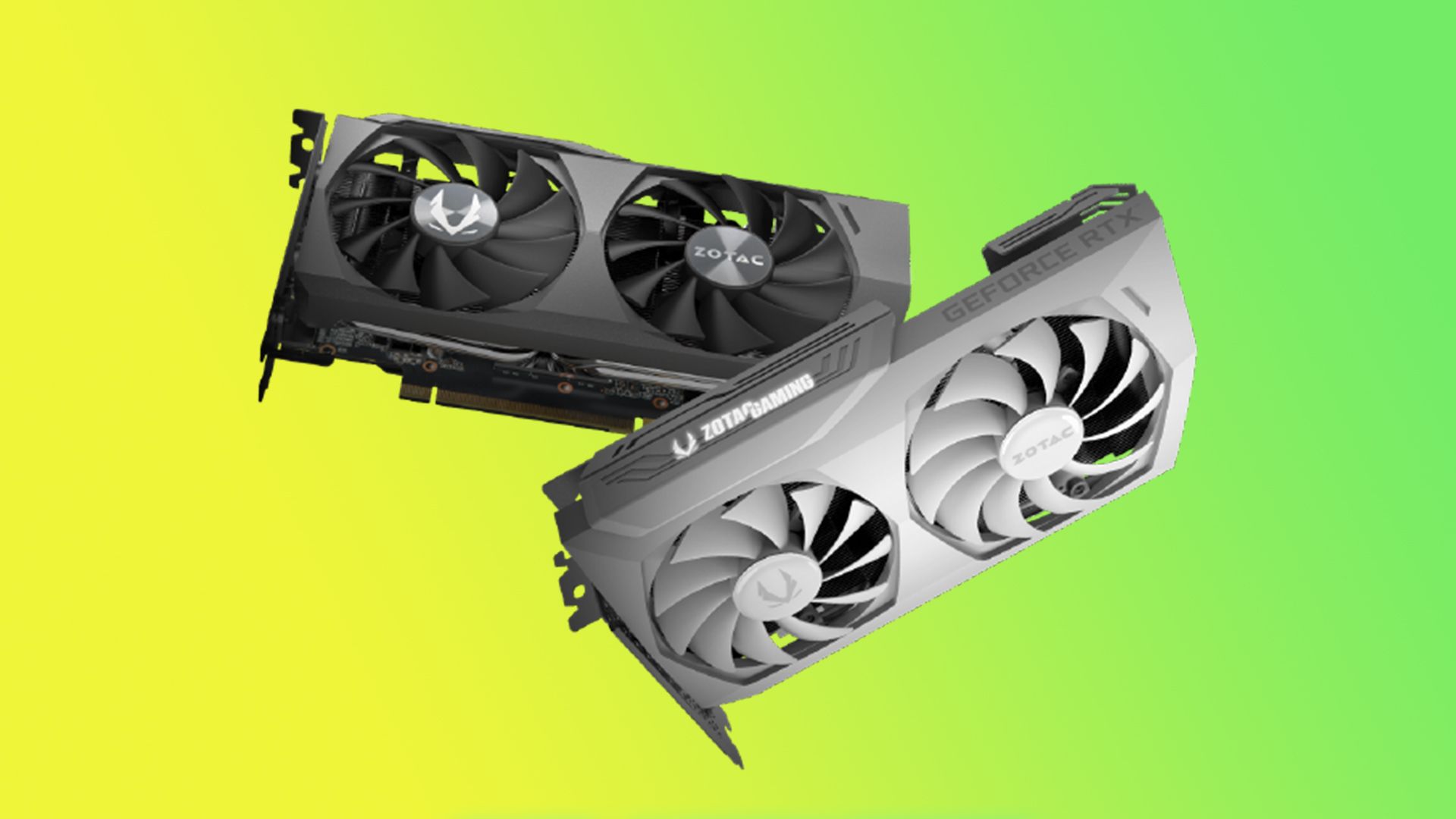
The case comes from India: according to reports, Zotac denied warranty support to an RTX 3060 owner after just one year of use, despite offering three years of coverage. The news, however thin on details, challenges an aspect that often escapes spec sheets: the gap between commercial promises and how warranties are actually applied in different markets.
From the source, we do not know the reason for the denial. But the issue goes beyond a single episode. It sends a structural signal to anyone buying hardware for intensive workloads, including small labs and professionals who use consumer GPUs for on-prem inference. In these contexts, an RTX 3060 is not just a gaming component: it is a compute asset within a pipeline, where downtime becomes a real cost.
The first second-order effect concerns TCO. When after-sales support is uncertain, the true cost of a card goes beyond the purchase price. Anyone evaluating hardware for local deployment must also consider the likelihood that a failure becomes a total loss, with no replacement or repair path. This can push buyers toward channels with verified local presence or toward support clauses in supplier contracts, especially in markets where consumer protection is less uniform.
There is also a third-order effect that touches the entire supply chain. If such episodes shape buyer perception, vendor incentives shift: support reputation becomes as competitive as clock speeds or VRAM. For manufacturers selling the same product across regions, the challenge is not only technical but organizational: ensuring that warranty promises are applied consistently, regardless of the user's country.
For AI-RADAR readers, the affair matters even though it does not involve servers or data centers. Many small-scale on-prem deployments start with consumer GPUs, and support reliability is part of architecture decisions. On /llm-onpremise, we have repeatedly analyzed the trade-offs between consumer hardware and enterprise solutions, and the warranty variable is never neutral.
The point is not whether Zotac was right or wrong in this specific case: there are not enough elements to judge. It is that the mere fact a three-year coverage can be challenged after one year shows how fragile the balance between marketing and operational reality is. In an industry where hardware is the foundation of every compute project, that fragility is paid in trust before it is paid in money.








💬 Comments (0)
🔒 Log in or register to comment on articles.
No comments yet. Be the first to comment!