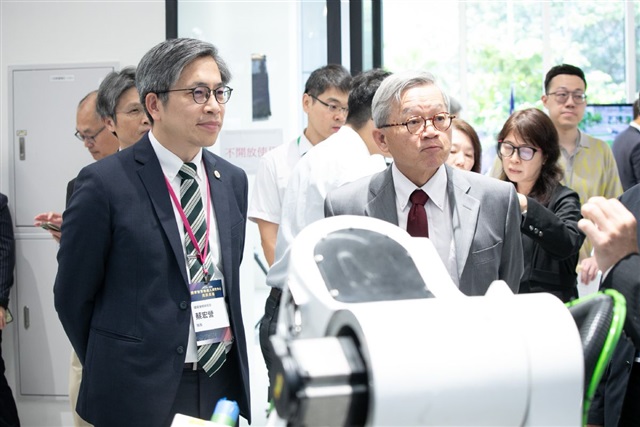
Taiwan's New Direction in Robotics
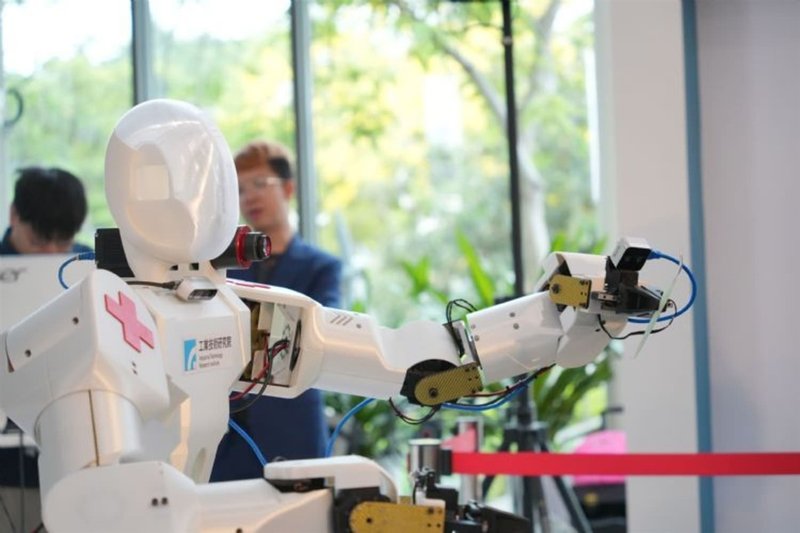
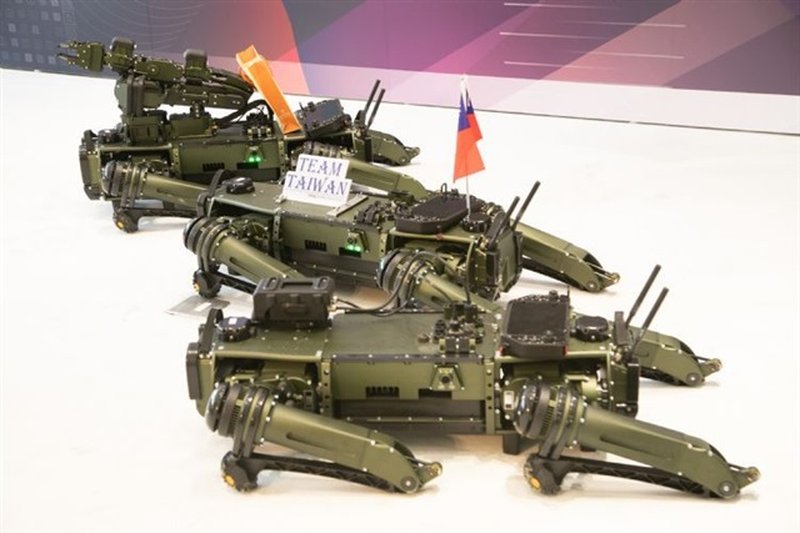
Taiwan, long recognized as a fundamental pillar in the global supply chain for electronics and semiconductors, is now embarking on a significant strategic transition. The island is intensifying its efforts in the robotics sector, with the stated goal of evolving from a mere component supplier to a builder of complete systems. This move represents a clear ambition to climb the technological value chain, positioning itself as a key player in the development and integration of advanced robotic solutions.
The push towards building integrated systems reflects a deep understanding of current technological market dynamics. It is no longer just about producing high-quality hardware, but about knowing how to combine different components – from silicio to sensors, actuators to software – into functional and intelligent solutions. This systemic approach is crucial for addressing the complex needs of Industry 4.0 and automation, where efficiency and operational intelligence are distinguishing factors.
Artificial Intelligence at the Core of Innovation
At the heart of this transformation is the pervasive integration of artificial intelligence. Modern robotics heavily relies on AI for critical functionalities such as computer vision, autonomous navigation, precise manipulation, and the ability to learn and adapt to new environments. Large Language Models (LLMs) are also beginning to play a role in facilitating human-robot interaction and complex task planning, making systems more intuitive and versatile.
Building advanced robotic systems requires not only expertise in mechanics and electronics but also a deep knowledge of machine learning algorithms and hardware architectures optimized for AI. This includes the ability to develop and deploy efficient AI models on edge devices, where latency is a critical factor and computational resources are often limited. The challenge lies in balancing performance, power consumption, and costs, selecting the right mix of hardware (such as specialized GPUs for inference) and software for each specific robotic application.
Implications for Industrial Deployments and Data Sovereignty
This Taiwanese strategy has direct implications for companies evaluating the deployment of AI and robotic solutions, particularly those favoring on-premise or air-gapped approaches. The availability of suppliers capable of offering complete, integrated systems, rather than individual components, significantly simplifies the adoption process for enterprises. On-premise deployments are often preferred in industrial contexts for reasons of data sovereignty, security of proprietary information, and the need for low latency for critical operations.
The choice between an on-premise deployment and a cloud-based solution involves significant trade-offs. While the cloud offers scalability and flexibility, self-hosted solutions ensure total control over data and infrastructure, reducing risks related to compliance and privacy. Furthermore, a careful analysis of the Total Cost of Ownership (TCO) can reveal that, for predictable and long-term workloads, an initial investment in on-premise hardware and infrastructure may be more advantageous than recurring cloud operational costs. For those evaluating on-premise deployments, AI-RADAR offers analytical frameworks on /llm-onpremise to assess these trade-offs, providing tools for informed decisions without direct recommendations.
An Outlook on the Future of Automation
Taiwan's shift from supplier to system builder in robotics marks a strategic evolution that could redefine global supply chain dynamics. By offering integrated solutions, Taiwan not only strengthens its economic position but also provides a model for other nations and companies seeking to capitalize on the wave of automation and artificial intelligence. This approach fosters the development of more robust and resilient technological ecosystems, capable of addressing the challenges of modern manufacturing.
For global enterprises, the availability of partners who can provide complete and customized solutions for industrial automation and robotics represents a competitive advantage. It paves the way for greater innovation and faster adoption of advanced technologies, with an increasing emphasis on the ability to manage and control the entire technological pipeline, from design to field implementation. This evolution underscores the importance of a holistic approach to AI and robotics, where integration is key to unlocking the full potential of these technologies.





💬 Comments (0)
🔒 Log in or register to comment on articles.
No comments yet. Be the first to comment!