NEX Health Intelligence Secures €1M to Combat Hospital Infection Spread
NEX Health Intelligence, a promising healthtech startup, has announced it has secured €1 million in pre-seed funding. The round was led by Brighteye Ventures, with participation from Adeline Arts & Science, AFI Ventures, Momentous Ventures, the Conception X Angel Syndicate, and a group of industry angel investors. This capital is earmarked to support the expansion of the company's artificial intelligence platform, designed to address one of the most critical challenges in modern healthcare environments: the spread of healthcare-associated infections.
Healthcare-associated infections (HAIs) pose a significant problem for a high percentage of hospital patients. These infections contribute to longer hospital stays, operational disruption, and rising overall healthcare costs. Highly resistant infections, in particular, continue to present growing clinical and operational challenges for healthcare systems globally, making the adoption of innovative solutions urgent.
An AI Platform for Predictive Prevention
At the core of NEX Health Intelligence's offering is an AI-powered infection intelligence platform. This system has been developed with the goal of helping hospitals detect, predict, and prevent the spread of HAIs before they can propagate. The approach aims to provide healthcare professionals with the ability to identify transmission risks at an earlier stage, enabling the implementation of more targeted and effective infection prevention measures.
The application of AI in this context is not limited to simply analyzing past data but extends to predictive capabilities, a crucial element for proactive patient safety management. For organizations evaluating the deployment of AI solutions in sensitive environments like hospitals, the ability to maintain control over data and ensure regulatory compliance is fundamental. This often implies the need for self-hosted or hybrid architectures, where data sovereignty and security are prioritized.
From COVID-19 Response to Global Expansion
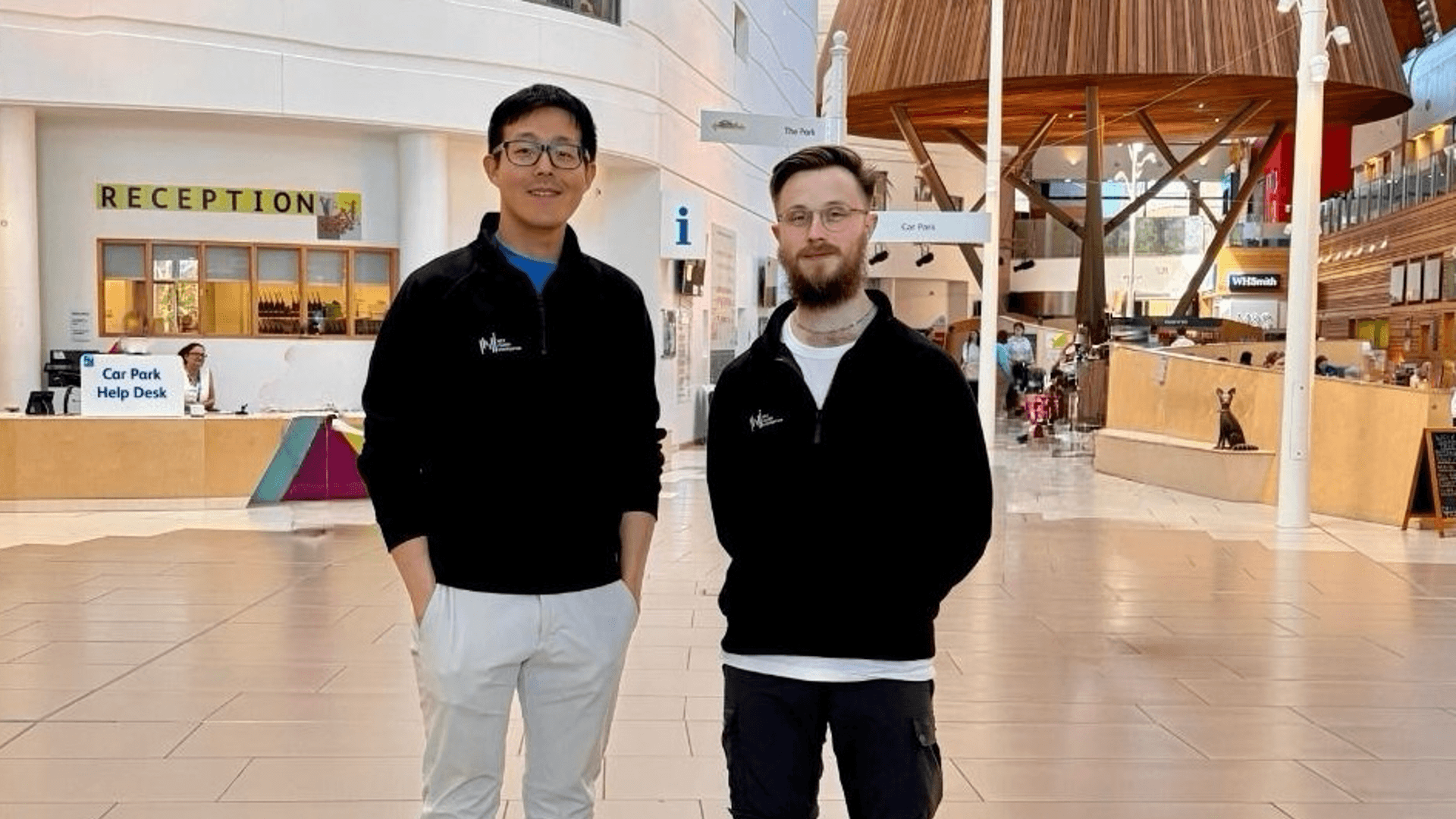
The idea behind NEX Health Intelligence originated from the experience of Dr. Ashleigh Myall, the company's founder, during his work on the NHS COVID-19 response. That experience highlighted how quickly infections can spread among vulnerable patients within hospitals. Subsequently, Dr. Myall partnered with Dr. Chang Ho Yoon to explore how artificial intelligence could be applied to infection prevention and hospital safety, developing the first predictive systems during his PhD at Imperial College.
Following its latest product release, the company reported a significant increase in infection control compliance rates. To date, NEX states its platform has supported infection safety across more than 40,000 patient admissions internationally. Currently, NEX is working with NHS organizations in the United Kingdom, including evaluation projects across two London NHS Trusts and a deployment in the North West of England. Internationally, the company is operating at a military hospital in Southeast Asia and is expanding through projects in Malaysia.
Future Outlook and Impact on Healthcare Infrastructure
The new funding will be crucial for supporting NEX Health Intelligence's expansion into hospitals in the UK and internationally. Concurrently, the funds will be used for regulatory compliance and clinical safety activities, as well as for generating clinical and economic evidence from live deployments. This approach underscores the importance not only of technological innovation but also of its rigorous validation in real-world contexts.
For CTOs and infrastructure architects operating in the healthcare sector, the adoption of AI platforms like NEX's raises important considerations regarding TCO, the management of sensitive data, and the need for robust infrastructure. The ability to integrate AI solutions that operate effectively in environments with network constraints or data sovereignty requirements, such as air-gapped hospitals, becomes a distinguishing factor. AI-RADAR offers analytical frameworks on /llm-onpremise to evaluate the trade-offs between self-hosted and cloud-based solutions, providing useful tools for strategic decisions in this area.









💬 Comments (0)
🔒 Log in or register to comment on articles.
No comments yet. Be the first to comment!